

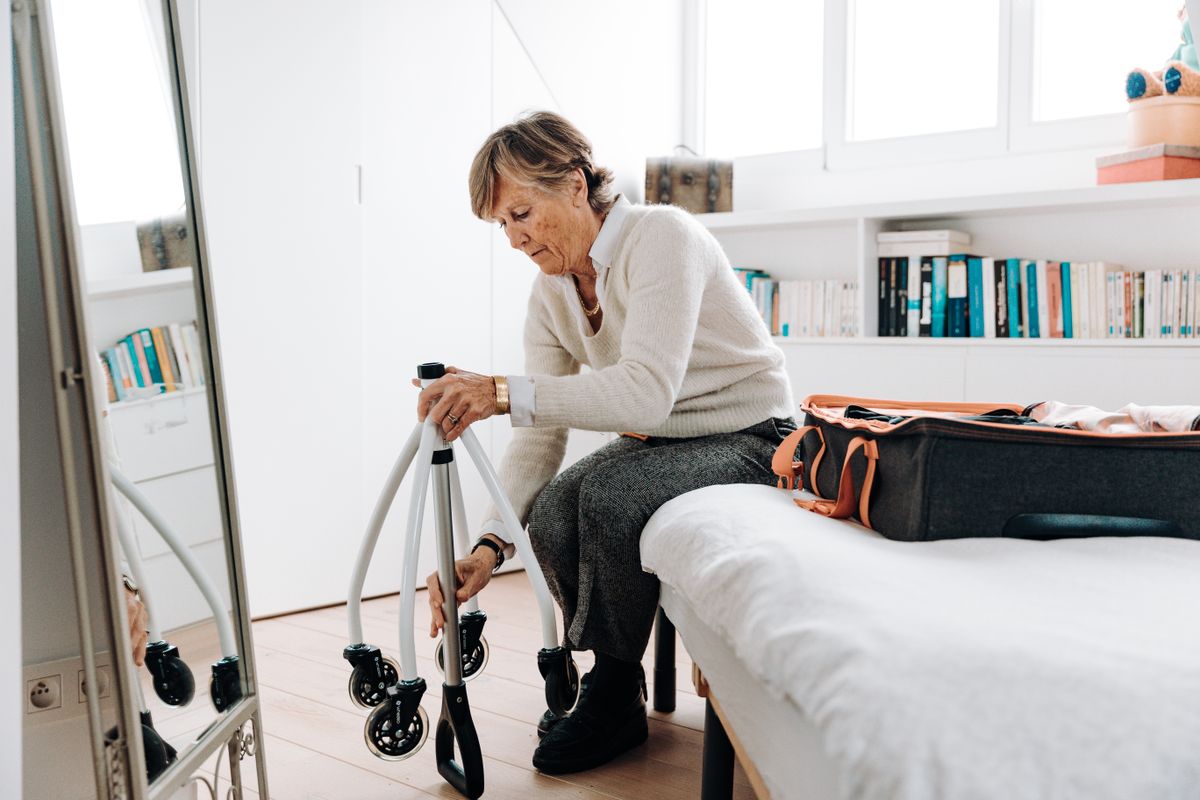
Stairlifts are used well beyond old age: by younger people with disabilities, people living with conditions such as multiple sclerosis (MS), and people recovering from surgery or injuries.
Stairlifts still carry a reputation as equipment for older people. In practice, the people having them fitted are a much wider group.
Young people with disabilities use them. So do people recovering from surgery or injuries. For all of them, stairlifts are part of an accessible, safe home.
Each person’s need is different. It depends on their particular challenges and how much independence they want to keep. Many people live with conditions such as multiple sclerosis or arthritis, which can affect mobility and daily activities and make adaptations like stairlifts essential.
As that perception shifts, old barriers come down. Stairlifts are being redefined for the modern household, helping people stay independent and comfortable in their own home and making daily living easier.
Introduction to Modern Mobility Solutions
Modern mobility aids have changed how people with disabilities and mobility issues manage everyday life. Stair lifts, walking aids and wheelchairs have all improved. People facing multiple sclerosis (MS), muscle weakness or balance issues can now move around their homes and communities with more confidence and independence.
Stair lifts in particular have become an important aid for anyone who finds stairs hard, whether because of mobility problems or symptoms linked to MS and other conditions.
In the UK, organisations like the MS Society provide support, resources and advice to people with MS. They help people overcome daily obstacles and live life to the fullest.
With the right equipment and assistance, many people can stay independent and manage symptoms such as fatigue and balance problems. They can keep taking part in the daily activities that matter most to them.
We don’t sell or fit stairlifts. Quotes go to UK suppliers.
Quotes are free. We’re only paid if you buy: the supplier we introduced you to pays us a fee. How we are funded
Free, no obligation • UK-based suppliers only
Breaking the Traditional Mold: Who’s Using Stairlifts?
Stairlifts have been a mobility aid for older people for decades. Today’s models suit a much wider group.
Advances in technology, materials and design have made stairlifts more versatile, customisable and accessible. That makes them easier to use for people of all ages and levels of ability, judged by their functional capacity to use stairs or mobility aids safely. Here are some of the less traditional users now benefiting from this life-changing technology:
1. Younger Individuals with Disabilities
Many people with physical disabilities or limited mobility often struggle with navigating stairs. In the past, they may have faced difficult choices, such as moving to a single-storey home or relying on others for assistance. However, stairlifts make a real difference for those who wish to maintain their independence and remain in their own homes.
Stairlifts let people with a range of conditions reach every part of their home safely and independently. These include cerebral palsy, muscular dystrophy and spinal cord injuries. They also include multiple sclerosis (MS), a neurological condition affecting the brain and spinal cord that leads to mobility challenges.
Modern models have customisable features such as adjustable seating, larger footrests and ergonomic controls. That makes them easy to use for people of all ages and abilities.
Getting between floors again often gives someone back a bedroom, a bathroom and a door they can close, after a spell of managing downstairs. That matters at any age, and later life is only one part of it.
2. Patients Recovering from Surgery or Injury
Recovery from surgery, fractures, or other physical injuries often requires temporary modifications to one’s living space. For individuals recovering from hip replacement surgery, knee surgeries, or broken bones, climbing stairs can be both painful and dangerous. In these cases, a stairlift can provide real support during the healing process.
By eliminating the need to navigate stairs manually, patients can focus on their recovery without worrying about the added stress of mobility challenges. Whether recovering from a sports injury, surgery, or a serious fall, stairlifts allow individuals to maintain their routine and move freely between floors without the risk of further damage. For many, this means fewer visits to rehabilitation centres or reliance on carers.
3. A note on pets
Stairlifts are built and tested to carry a seated person. They aren’t designed for animals, so don’t put a pet on one. If a pet is struggling with the stairs, ask your vet what would help.
The Many Benefits of Stairlifts as a Mobility Aid for Non-Traditional Users
Stairlifts do more than help people move about. Medical conditions can affect how well someone gets around their home, which can make a stairlift an essential aid.
For less traditional users, such as people living with a long-term illness or a lifelong condition, stairlifts help protect dignity and reduce the risk of injury. They promote independence, often in life-changing ways. They also help with daily activities and everyday life, supporting independence and quality of life. Here are some of the main advantages:
1. More independence
For anyone with mobility challenges, whether due to a disability, injury, or age-related condition, maintaining independence is essential. Stairlifts allow individuals to access all levels of their homes without relying on a carer or family member to help them. That independence helps preserve a sense of normality in daily life.
2. Safety and Injury Prevention
Climbing stairs can be dangerous, particularly for those with compromised mobility. For non-traditional users, stairlifts significantly reduce the risk of falls, which can lead to serious injuries. They provide a safe, stable way to move between floors, preventing accidents that could set back a person’s recovery or worsen existing conditions.
3. Convenience and Comfort
Stairlifts offer a convenience that traditional mobility aids simply can’t match. After surgery or injury, a stairlift is often quicker and less tiring than tackling the stairs with crutches, a walking stick or another support device.
For people with disabilities, everyday jobs like carrying the shopping or managing the laundry get much easier. If walking is difficult because of mobility problems, a stairlift is a practical alternative. It cuts physical strain and increases independence.
4. Home Adaptability
Home modifications can be costly and often require significant structural changes. Stairlifts, conversely, are a non-intrusive solution that can be installed relatively quickly and without major alterations to the home. This adaptability makes stairlifts appealing for people who want to remain in their own home and avoid the expense or inconvenience of remodelling or moving to a different house.
Funding Options for Stairlifts
For many people, the price of a stair lift is a real concern. Fortunately, several funding options can help.
The Disabled Facilities Grant (DFG) is a government-funded programme in England, Wales and Northern Ireland. It gives financial help for essential home adaptations, including stair lifts, for people with disabilities. Charities such as the MS Society and MS-UK also support people with MS and other mobility issues. They sometimes provide grants, or advice on getting financial help.
In Scotland, schemes like the Scheme of Assistance and Help to Adapt are other funding routes for home adaptations. Some stairlift companies also sell reconditioned stairlifts, which can cost less if your budget is limited.
Looking into these options can help people find the support they need to improve their mobility, quality of life and independence at home.
Types of Stairlifts and Alternatives
There is a wide range of stair lifts available to suit different mobility needs and home layouts. Seated stair lifts are ideal if you can sit and stand with minimal help. They give a comfortable, secure way to travel between floors.
Perch stair lifts are designed for people who find it hard to sit fully but can stand or perch safely. Platform stair lifts, also called wheelchair lifts, suit wheelchair users who need to reach several floors without transferring out of their chair.
If you’re looking at alternatives, wheelchair ramps, home lifts (platform lifts) and grab bars can give extra support. An occupational therapist can help work out the most suitable option for each person’s situation.
Stair Lift Installation and stairlift maintenance
Proper installation and regular maintenance keep a stair lift safe and get the most out of it. Reputable stairlift companies typically offer professional installation, so the unit is fitted correctly and runs smoothly. Picking a trusted provider with a track record of quality products and excellent customer service can make a big difference to long-term reliability.
Regular maintenance checks matter too. They help prevent breakdowns and keep the stair lift safe to use. It’s also wise to think about the cost of ongoing maintenance and repairs, and any warranties or guarantees from the manufacturer.
Put safety and upkeep first and people can enjoy greater mobility, a better quality of life and peace of mind. Their stair lift should keep supporting them for years to come.
Resources and Support for Non-Traditional Users
Stair lifts are used by far more people than older adults and those with permanent disabilities. They can also be a lifeline for people with temporary mobility issues, long-term illnesses or unusual circumstances.
Plenty of help is available for these users. Organisations like the MS Society offer detailed information on mobility aids, home adaptations and financial assistance for people with MS. Local councils and social services can advise on getting mobility equipment and support services. Online forums and support groups connect people with shared experiences and advice.
Using these resources, people facing mobility challenges, temporary or ongoing, can find the help they need. That can mean living life more fully, staying independent and taking an active part in their communities.
The Future of Stairlifts: Beyond the Traditional User
Stairlift capabilities will keep developing as technology moves on. Future innovations may include more customisable features like voice-activated controls, smart technology integration, or lighter and more portable models.
That means stairlifts will suit an even broader range of people and needs, helping more people stay independent and adapt their homes. We expect these advances to bring more independence and a better quality of life where mobility is a problem.
Other mobility options, such as scooters and wheelchair lifts, are also advancing and giving people with various needs greater independence and access.
The increasing acceptance of stairlifts as a tool for people of all ages and abilities points to a shift towards a more inclusive society. Charities working with MS and other long-term conditions provide the practical help and the advocacy alongside the equipment itself. By breaking down barriers, stairlifts are helping to create homes that are truly accessible to everyone, regardless of their mobility or age.
If you are seeking more information or support, a stairlift company and their website can be useful sources of guidance and product detail.
Conclusion
Stairlifts are no longer a solution for the elderly alone. They change lives for people of all ages who face mobility challenges. Younger people with disabilities use them, as do people recovering from surgery or injuries. For all of them, stairlifts open up new freedom and independence.
As technology advances, the future looks bright, with more ways to break down barriers and make homes accessible and supportive for everyone. The stairlift costs can sometimes be justified by what it would cost to move out.
If you’re exploring the broader impact of stairlifts, our complete stairlift advice hub covers a wide range of topics to help you understand all aspects of stairlift ownership and use, stairlift advice guide.
For insight into how stairlifts help people stay safe at home, check out fall prevention tips for the elderly.
You might also find our how stairlifts help older people stay at home article useful if you’re thinking about independence and quality of life.
Choosing a stairlift: our six guides
Independent UK guides on every stage of the decision and the install.
- Is it time for a stairlift? , The decision before you start. Signs, conversations, and what to try first.
- Types of stairlift , Straight, curved, narrow, outdoor, heavy-duty, standing. Which one fits your home.
- Stairlift prices , What stairlifts actually cost in the UK. By type, with what changes the price.
- Stairlift grants and funding , Disabled Facilities Grant, NHS, charity, finance. Who pays for what.
- Buy, rent, or reconditioned , The three routes compared, with a decision flowchart.
- Living with a stairlift , Install, servicing, repair, batteries, sell, remove. The full lifecycle.
 ChatGPT