
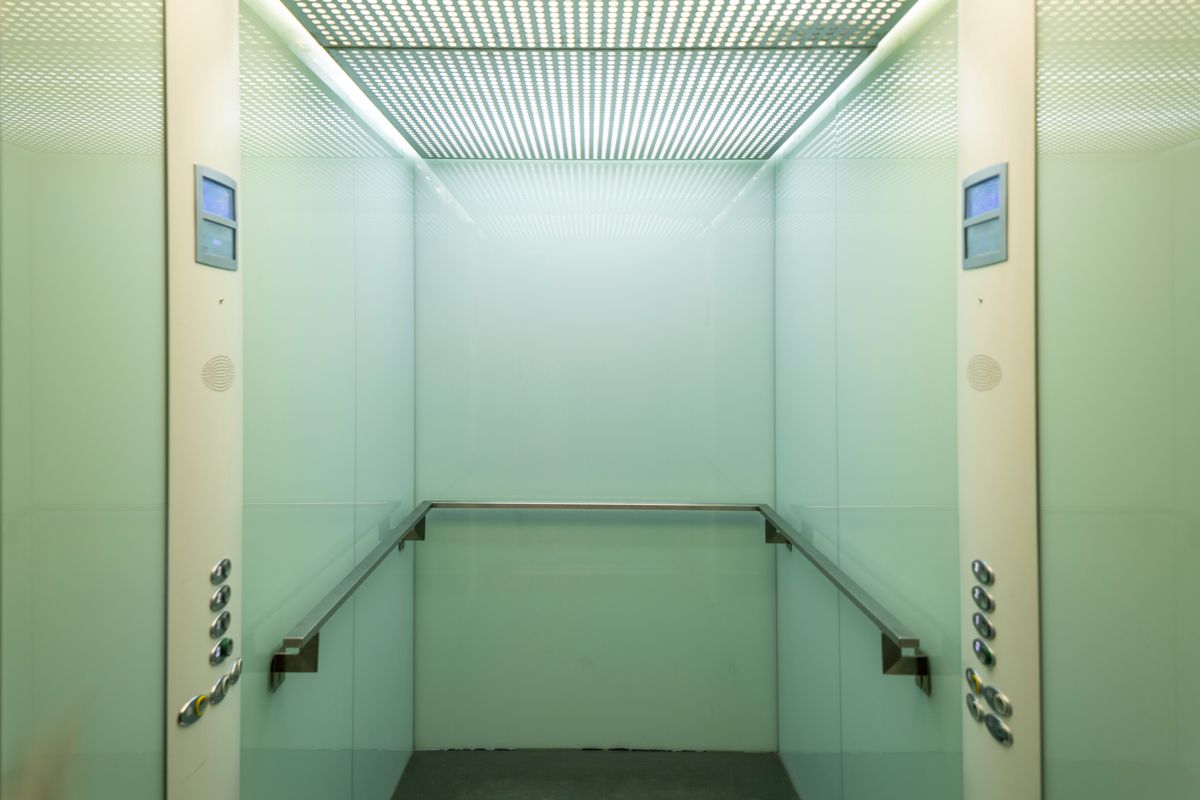
If you’re struggling with stairs at home, you may be choosing between a stairlift and a home lift. Both can improve mobility and independence but they work in very different ways and suit different needs, homes, and budgets.
This page explains the difference between a stairlift and a home lift, helping you decide which option may be right for you.
Key Takeaways
- Stairlifts and home lifts solve different mobility needs
- Stairlifts use existing stairs; home lifts move vertically
- Stairlifts are usually quicker and cheaper to install
- Home lifts offer more flexibility but cost more
- The right choice depends on mobility, space, and budget
We don’t sell or fit stairlifts. Quotes go to UK suppliers.
Quotes are free. We’re only paid if you buy: the supplier we introduced you to pays us a fee. How we are funded
Free, no obligation • UK-based suppliers only
The Short Answer: What’s the Difference?
- Stairlift: Travels along the staircase
- Home lift: Travels vertically between floors
Stairlifts adapt to your stairs; home lifts create a new route.
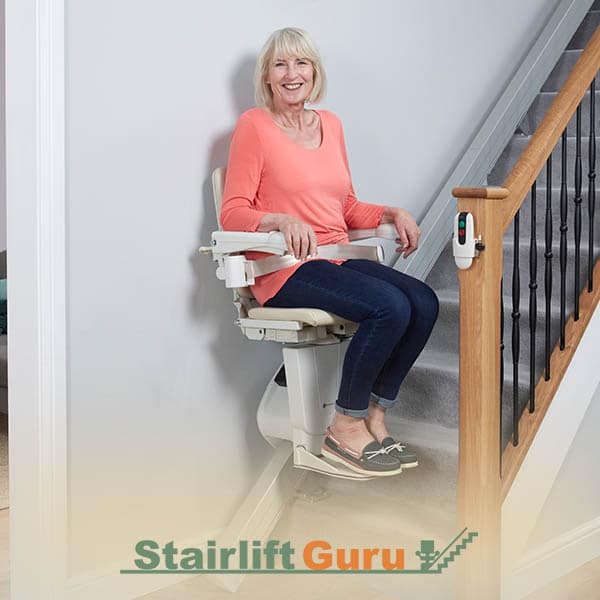
What Is a Stairlift?
A stairlift is:
- A chair or platform fixed to the stairs
- Moves along a rail
- Designed to carry one person up or down
Stairlifts are ideal when stairs are still accessible but difficult.
When Stairlifts Work Best
Stairlifts suit people who:
- Can sit safely
- Have limited mobility but can transfer
- Want minimal building work
- Need a quicker, lower-cost solution
What Is a Home Lift?
A home lift is:
- A small lift installed inside the home
- Moves vertically between floors
- Doesn’t rely on stairs
Home lifts can carry:
- Standing passengers
- Wheelchairs (depending on model)
When Home Lifts Work Best
Home lifts suit people who:
- Cannot use stairs at all
- Use a wheelchair
- Want step-free access between floors
- Are planning long-term adaptations
Installation Differences
stairlift installation
- Uses existing staircase
- Minimal disruption
- Usually installed in a day
Home Lift Installation
- Requires structural work
- May involve cutting floors
- Takes longer to install
Planning and permissions may be needed.
The three options side by side
| Stairlift | Through-floor lift | Living downstairs | |
|---|---|---|---|
| Typical cost | £1,500 to £3,500 straight; £4,000 to £7,000 curved (up to £10,000 on complex stairs) | About £12,000 to £35,000 fitted; open platform models from about £8,000 (dealer cost guides) | Depends entirely on the work: from moving a bed downstairs to a ground-floor extension |
| Building work | None. The rail fixes to the stair treads | An opening cut through the floor, and sometimes structural work | None, or a new shower room or extension |
| Time to fit | 2 to 4 hours for a straight lift; curved rails take 2 to 6 weeks to make | Usually 1 to 3 days on site once the work is agreed | Days to months |
| Suits | Someone who can sit, swivel and stand at each end | Wheelchair users, or anyone who cannot transfer to a seat safely | When stairs are no longer safe in any form, or the need is short-term |
| Space needed | Enough stair width, usually from about 610mm for a slimline model | A footprint on both floors, often a corner of a living room and a bedroom above | A room downstairs for sleeping, and a toilet (ideally a shower) on the same floor |
| Grant help | Disabled Facilities Grant, up to £30,000 in England | Disabled Facilities Grant, up to £30,000 in England | Disabled Facilities Grant, which can fund a level access shower or a downstairs bedroom extension |
Stairlift prices are from the UK Stairlift Price Index. Through-floor lift prices are from three UK dealers’ published cost guides, read on 23 September 2026. They are dealer estimates, not quotes.
Space & Design Considerations
- Stairlifts require sufficient stair width
- Home lifts require floor space or shaft space
Space often determines feasibility.
Mobility & Comfort
- Stairlifts require sitting (or standing models)
- Home lifts allow standing or wheelchair use
Comfort needs differ by user.
Maintenance & stairlift servicing
- Stairlifts need regular servicing
- Home lifts require professional maintenance
Maintenance costs are usually higher for home lifts.
Grants & Funding
- Stairlifts are more commonly covered by grants
- Home lifts may be partially funded in some cases
Funding depends on assessment and eligibility.
Long-Term vs Short-Term Solutions
- Stairlifts suit short-to-medium-term needs
- Home lifts suit long-term or progressive mobility issues
Future needs matter.
When a stairlift is the right answer
A stairlift keeps the house working as it is. The bedroom and bathroom stay where they’ve always been, and nothing else changes. Of the three options, it’s the fastest to put in, the least disruptive and by far the cheapest.
The condition is that the person can sit down, fasten a seatbelt, and get on and off safely at the top and bottom. An occupational therapist can check that. The home survey will confirm the staircase is suitable.
When a through-floor lift makes more sense
A through-floor lift carries a person vertically through an opening in the ceiling, either standing or sitting in a wheelchair. It is the option to look at when transferring onto a stairlift seat is no longer safe, or when a wheelchair needs to be used on both floors. It costs several times as much as a stairlift and needs building work, so a home survey by the lift company comes first. Annual servicing is dearer too: one of the guides we read suggests budgeting £250 to £450 a year for a service contract.
When living downstairs is the better plan
Sometimes the stairs aren’t the problem worth solving. If the need is short-term, say after an operation, a bed downstairs for a few weeks may be all that’s required.
If mobility will keep changing, moving daily life onto one floor can be the safer long-term choice, as long as there’s a toilet close by. GOV.UK lists a level access shower and a downstairs bedroom extension among the adaptations a Disabled Facilities Grant can pay for.
Our alternatives to stairlifts guide covers smaller changes to try first.
How to decide
Start with an occupational therapy assessment through your council’s adult social care team. It’s free, it’s the first step for a Disabled Facilities Grant, and the OT will say which of the three options fits the person and the house.
If a stairlift is recommended, our stairlift prices guide sets out what to expect. If a lift or an extension is recommended, ask the council how the grant will be split between the works. In England the £30,000 limit covers the whole job, and each part doesn’t get its own.
Get Clear Guidance from Stairlift Guru
At Stairlift Guru, we explain mobility options clearly so you can understand the difference between stairlifts and home lifts without pressure or confusion.
Still Unsure Which Is Best?
If you’re deciding between a stairlift and a home lift, understanding your current and future needs is key.
We’re here to help with no pressure and no obligation.
If you’re comparing stairlifts with other mobility solutions, our complete stairlift advice hub offers broad guidance across a wide range of topics to help you make the right choice, stairlift advice guide.
For insight into practical costs and long-term ownership, check out how much it costs to run a stairlift.
You might also find our stairlift vs moving house article helpful if you’re weighing staying put with accessibility solutions versus relocating your home.
Watch Our Video
Choosing a stairlift: our six guides
Independent UK guides on every stage of the decision and the install.
- Is it time for a stairlift? , The decision before you start. Signs, conversations, and what to try first.
- Types of stairlift , Straight, curved, narrow, outdoor, heavy-duty, standing. Which one fits your home.
- Stairlift prices , What stairlifts actually cost in the UK. By type, with what changes the price.
- Stairlift grants and funding , Disabled Facilities Grant, NHS, charity, finance. Who pays for what.
- Buy, rent, or reconditioned , The three routes compared, with a decision flowchart.
- Living with a stairlift , Install, servicing, repair, batteries, sell, remove. The full lifecycle.
 ChatGPT