
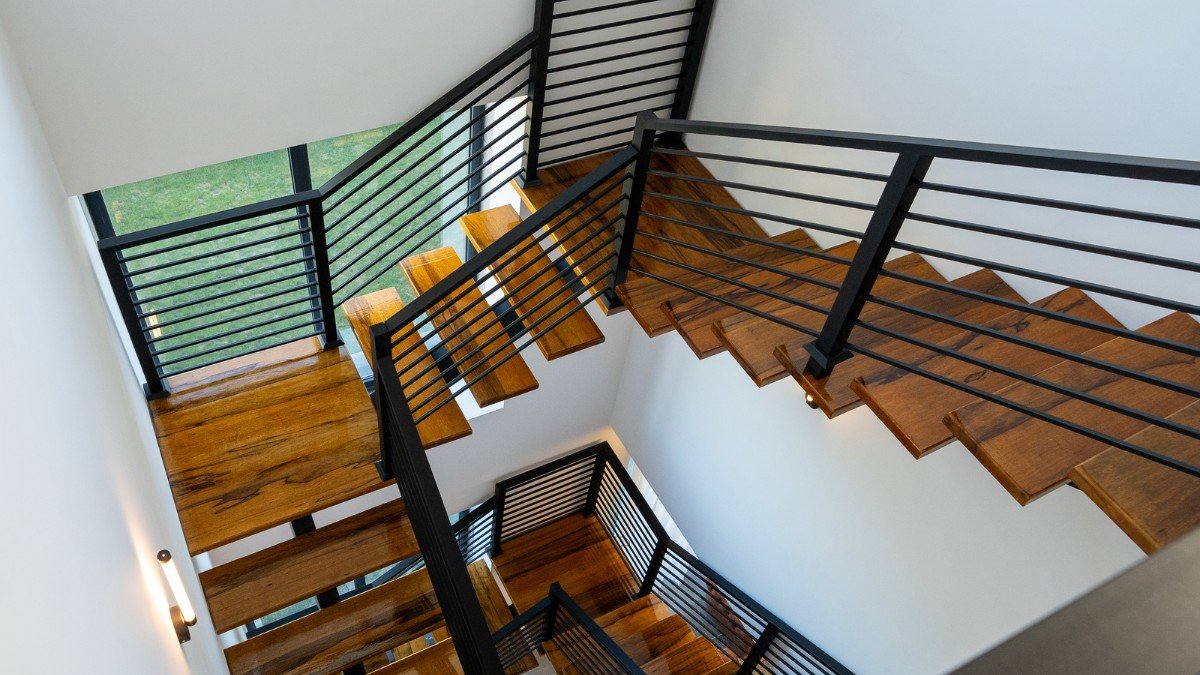
England’s cold-health alert season runs from 1 November to 31 March, and with it comes a seasonal hazard that affects thousands of older households every year: falls at home. New research and long-standing clinical guidance point to the same conclusion, that cold weather and cold, poorly maintained homes both make a fall more likely. For older homeowners, and the adult children and carers who help look after them, the arrival of the colder months is a sensible moment to think about winter falls and home safety.
Why cold weather makes a fall more likely
The British Geriatrics Society, which publishes guidance for professionals caring for older people through winter, lists increased falls risk among the direct effects of cold weather. Ice and snow outdoors are the obvious danger, but the risk does not stop at the front door. Cold rooms can leave muscles and joints stiff and slower to respond, which matters most on the stairs, where a missed step or a moment of unsteadiness carries the heaviest consequences. Shorter daylight hours add to the problem, because a dim landing or an unlit staircase is far harder to judge safely.
The same guidance treats a warm home as a safety measure, not simply a comfort. Age UK has long advised heating the main living room to around 21 degrees and the bedroom to around 18 degrees, and the NHS recommends keeping the rooms you use regularly to at least 18 degrees. A home that is warm enough to move around in comfortably is also a home that is easier to move around in safely.
We don’t sell or fit stairlifts. Quotes go to UK suppliers.
Quotes are free. We’re only paid if you buy: the supplier we introduced you to pays us a fee. How we are funded
Free, no obligation • UK-based suppliers only
The link between poor-quality homes and falls
There is now firmer evidence that the condition of a home, and not just the weather outside, shapes how likely a fall is. A 2026 study led by researchers at the London School of Economics found that poor housing conditions, including inadequate lighting, a lack of space, and electrical or plumbing problems, raise the risk of falls among older people. The researchers estimated that falls linked to poor housing cost health and social care services around 1.2 billion pounds a year. Homes described as too dark stood out in particular, with residents more likely both to fall and to need healthcare afterwards.
That picture matches earlier work from the National Centre for Social Research and the Centre for Ageing Better, which found that more than one in five older adults in England live in homes with serious problems such as damp, water leaks, poor insulation or structural faults. Of the 4.5 million people aged 50 and over whose health is made worse by cold, one in three live in a home with at least one significant issue. In short, the households least able to cope with winter are often the ones living in the homes that handle it worst.
We don’t sell or fit stairlifts. Quotes go to UK suppliers.
Quotes are free. We’re only paid if you buy: the supplier we introduced you to pays us a fee. How we are funded
Who is most at risk this winter
Age is the clearest factor. People aged 65 and over are among the groups the cold-health alert system flags first, alongside those with heart or lung conditions, disabilities, or mental health conditions. Housing tenure matters too. The research found that older renters with health conditions were considerably more likely than outright owners to face several problems in their homes at once, partly because they have less control over repairs and adaptations.
The quieter risk is a gradual loss of confidence. Someone who feels unsteady on a cold, dark staircase may start to avoid the upstairs of their own home, sleeping in a downstairs room or washing at the sink rather than risk the steps. That is rarely a safe or comfortable long-term answer, and it is one reason occupational therapists treat the staircase as a priority when they assess a home for adaptations.
How to reduce the risk of winter falls
Many of the most effective steps are small and inexpensive. Improving the lighting on stairs and landings, fitting a second handrail so there is support on both sides, clearing clutter from the steps, and keeping the home warm all reduce the everyday risk. Well-fitting, non-slip footwear indoors helps, and a quick eyesight and medication review with a GP or pharmacist can catch factors that quietly make a fall more likely. A falls prevention service, available through many local councils and NHS teams, can also assess a person’s strength and balance.
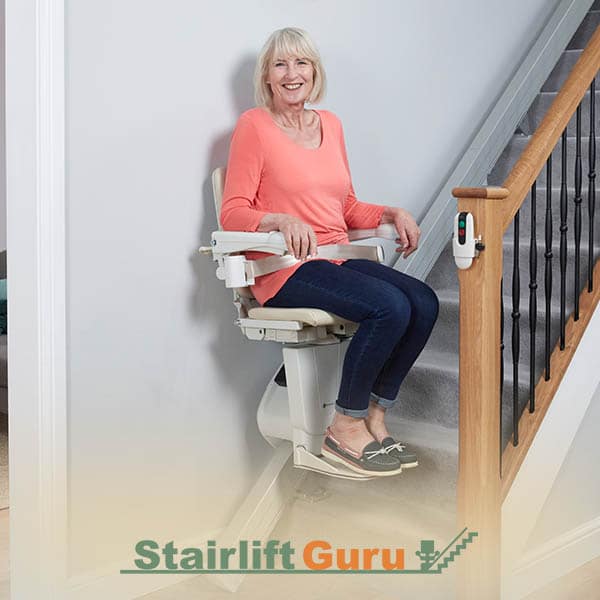
Where the stairs themselves have become the main barrier, a larger home adaptation may be the answer. A stairlift allows someone to keep using the whole of their home safely, and for many households it is far less disruptive and less costly than moving. If cost is a worry, help may be available: a local council can provide a Disabled Facilities Grant towards adaptations such as stairlifts for people who qualify, following an assessment of need. You can read more in our guide to stairlift grants and funding, and about typical costs in our guide to stairlift prices.
Acting before the first hard frost
Winter does not have to mean months of worry. The combination of colder weather and darker days genuinely raises the risk of falls for older people, but almost every contributing factor, from a chilly room to a poorly lit staircase, can be improved. The best time to act is before the first hard frost rather than after a fall has already happened. A warm, well-lit, clutter-free home, with the right support on the stairs, is one of the most practical steps an older household can take to stay safe and independent this season.
 ChatGPT