
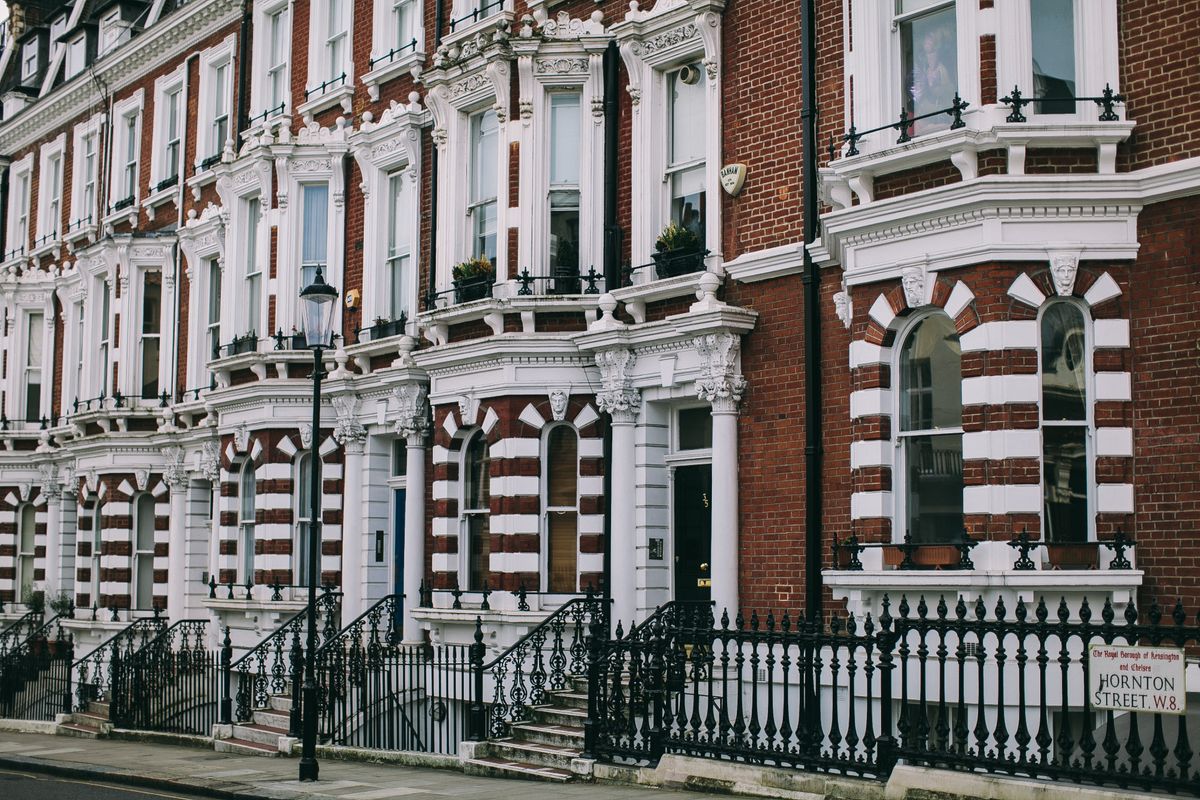
A major new report has warned that home ownership, long treated as the foundation of a secure retirement, can no longer be taken for granted. The Association of British Insurers (ABI) projects that one in three pensioner households could be renting by 2044, a shift with real consequences for how millions of people plan to age at home. For anyone thinking about stairlifts, home adaptations and staying independent in later life, the findings are worth understanding now rather than later.
What the ABI report found
The report, Pensions Adequacy: Housing, Households and Auto-Enrolment, was commissioned by the ABI and carried out by the Pensions Policy Institute (PPI). It concludes that nearly two million more people are expected to retire without owning their home over the next twenty years. Most of that increase comes from the private rented sector, where the number of pensioners renting is projected to more than triple, rising by around 1.3 million people.
Put another way, owner occupation among pensioner households is forecast to fall from 79 per cent today to 64 per cent by 2044, while private and social renting both climb. The financial strain is significant. The analysis estimates that renting a two bedroom home privately costs between £200,000 and £400,000 across a retirement, compared with an average defined contribution pension pot of £154,000, or £105,000 for women. As Dr Priya Khambhaita of the PPI put it, a growing share of retirees will see their private pension wealth “eroded by ongoing housing costs throughout later life”.
The report also points to signs of pressure that are already visible. The proportion of flat sharers aged 65 or older has tripled in the last decade, and there has been a 38 per cent rise in over 65s taking in lodgers. Around 30 per cent of UK households are single person households, and half of those are headed by someone over 65, a group that cannot share housing costs and so feels the squeeze most acutely.
We do not sell or install stairlifts. Quotes go to UK suppliers.
If you buy a stairlift from a supplier we introduced you to, that supplier pays us a fee. Requesting quotes is free and we are not paid for the request itself. How we are funded
Free, no obligation • UK-based suppliers only
Why home ownership shaped how we age at home
For decades, the standard assumption behind ageing in place was simple. You owned your home outright by retirement, your housing costs were low, and if you needed a stairlift or a level access shower you could arrange it without asking anyone’s permission. The property was yours to adapt.
A future in which many more pensioners rent unsettles that picture. Renters have less freedom to make permanent changes, may move more often, and face housing bills that continue for life. Dr Yvonne Braun OBE, Director of Long-Term Savings Policy at the ABI, summed up the change: “For previous generations, home ownership was a cornerstone of financial security in retirement, but for many younger people it will no longer be the norm.” The result is that planning for adaptations, and how to pay for them, becomes a more deliberate task rather than something that simply falls into place.
We do not sell or install stairlifts. Quotes go to UK suppliers.
If you buy a stairlift from a supplier we introduced you to, that supplier pays us a fee. Requesting quotes is free and we are not paid for the request itself. How we are funded
Renting does not mean you cannot adapt your home
The important point for older renters and their families is that renting does not close the door on home adaptations. The Disabled Facilities Grant (DFG), the main source of public funding for adaptations in England, is available to tenants as well as owner occupiers. It can help pay for a stairlift, a ramp, a downstairs bathroom or other changes when an occupational therapist assesses them as necessary and appropriate, up to a maximum grant of £30,000 in England. Your landlord’s consent is usually required for permanent work, but landlords cannot unreasonably refuse a reasonable adjustment, and the Equality Act 2010 offers further protection for disabled tenants. We have covered this in more detail in our guide to your rights to home adaptations as a tenant.
Renting can also shape the type of equipment that suits you. Where a permanent installation is difficult, or where a move may be on the horizon, a rented stairlift can be a sensible option because it can be fitted and later removed, with maintenance included in the fee. Buying outright tends to suit a settled, long term home, while stairlift rental can suit shorter term or uncertain situations. Neither approach is better in the abstract; the right choice depends on your circumstances, your staircase and how long you expect to stay.
What you can do to plan ahead
The ABI’s message is that no single policy will fix this on its own, so individual planning matters more than ever. A few practical steps can help. First, think early about whether your current or future home can be adapted, and factor accessibility into any decision to move or downsize. A home with a straight staircase, a downstairs toilet or space for a level access shower is far easier to adapt later.
Second, understand the funding routes before you need them. Beyond the DFG, some councils offer smaller discretionary grants and handyperson schemes, and several charities help with equipment costs. Our guide to stairlift grants in the UK sets out who qualifies and how to apply. Third, get a sense of costs so there are no surprises. Published UK prices put a new straight stairlift at about £1,500 to £3,500 and a curved one at about £4,000 to £7,000, with rental and reconditioned options available; our stairlift prices guide explains the ranges.
Finally, if you rent, start the conversation with your landlord sooner rather than later. Raising the possibility of adaptations in advance, and confirming what an occupational therapist recommends, tends to make the process smoother than leaving it until a fall or a hospital discharge forces the issue.
What this means for families
The ABI report is a reminder that the way we grow old at home is changing. More pensioners will rent, more will live alone, and fewer will reach retirement with a mortgage free property to adapt as they please. That does not mean staying independent is out of reach, but it does mean planning ahead, understanding your rights and knowing your funding options carries more weight than it did for previous generations. Whether you own or rent, the goal is the same: a home you can keep living in safely and comfortably for as long as you choose.
Choosing a stairlift: our six guides
Independent UK guides on every stage of the decision and the install.
- Is it time for a stairlift? , The decision before you start. Signs, conversations, and what to try first.
- Types of stairlift , Straight, curved, narrow, outdoor, heavy-duty, standing. Which one fits your home.
- Stairlift prices , What stairlifts actually cost in the UK. By type, with what changes the price.
- Stairlift grants and funding , Disabled Facilities Grant, NHS, charity, finance. Who pays for what.
- Buy, rent, or reconditioned , The three routes compared, with a decision flowchart.
- Living with a stairlift , Install, servicing, repair, batteries, sell, remove. The full lifecycle.
 ChatGPT