
Stairlift Advice
Buying a stairlift is rarely a snap decision. It usually follows a fall, a health change, or a growing sense that stairs are becoming unsafe.
This advice hub brings together practical, UK-specific stairlift guidance, covering how stairlifts work, when they are worth it, what types exist, and what to consider before committing.

Designing for Accessibility For Your Home
As society becomes more inclusive and the UK’s ageing population continues to grow, accessible design is no longer a niche consideration — it’s a necessity. Designing with accessibility in mind from the very beginning ensures homes are inclusive, adaptable, and...
What Renovation Shows Miss on Accessibility
Home renovation shows have captured millions of viewers with dramatic transformations and impressive before-and-after reveals. From outdated kitchens to cramped living spaces, these programmes celebrate how good design can completely reshape a home. But there’s a...

How Stairlifts Help Seniors Stay at Home
Ageing in place is more than a trend it’s a movement that allows older adults to remain independent, safe, and comfortable in the homes they know best. For many seniors, staying at home isn’t just a preference; it’s deeply tied to wellbeing, dignity, and quality of...

Is a Stairlift Worth It?
*Please note this is not financial advice Stairlifts have become an increasingly common mobility solution for people who find stairs difficult or unsafe to use. For individuals with limited mobility, a stairlift can restore access to the entire home, allowing them to...

Stairlift Accessories
Stairlifts already provide a safe and reliable way to move between floors, but the right accessories can make a big difference to everyday comfort, safety, and independence. Many people don’t realise that stairlifts can be customised with add-ons designed to suit...

Different Names For Stairlifts
There are many different names for stairlifts, which can sometimes cause confusion. Common terms include: Stairlift Stair chairlift Chairlift Stair chair Stairway lift Lift for stairs Mobility aid for stairs Important note:The term chairlift can also refer to ski...

Benefits Of Having A Stairlift In Your Home
There are many benefits to having a stairlift, regardless of age. While stairlifts are often associated with ageing, they support independence, safety, and wellbeing for anyone who finds stairs difficult. Beyond physical mobility, stairlifts can: Reduce anxiety around...

Stairlift Track Options
A stairlift rail (also called a track) is the long metal guide fixed to your staircase that allows the stairlift chair to travel up and down safely. The rail determines: What type of stairlift you can install (straight, curved, or outdoor) Where the stairlift can...

Home Adaptations Advice And Tips
Home adaptations are improvements that make it easier and safer to carry out everyday tasks. They support independent living for older adults, people with disabilities, and those with reduced mobility by removing physical barriers around the home. Adaptations range...
Stairlift Advice: Practical Guidance Before You Decide
What Is a Stairlift? (Quick Definition)
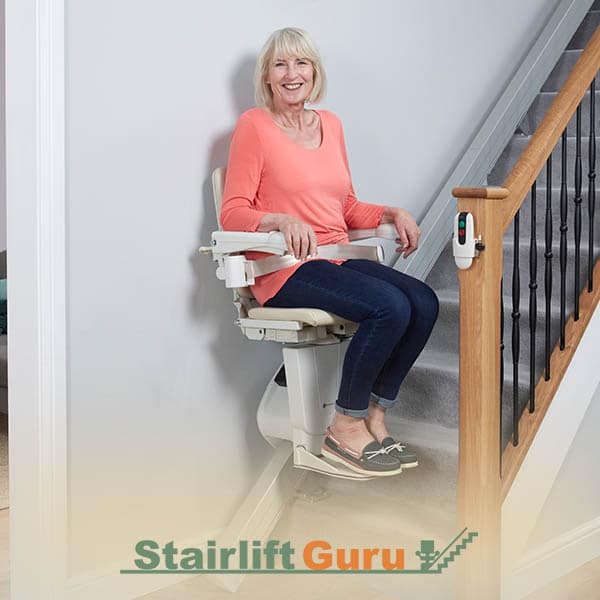
A stairlift is a motorised chair that travels along a rail fixed to a staircase, allowing someone with limited mobility to move safely between floors without climbing stairs.
If you are new to the topic, start with a simple explanation of how stairlifts work, including their mechanics and safety systems.
Signs You Might Need a Stairlift
Many people wait longer than they should.
Common warning signs include:
- Difficulty climbing stairs without stopping
- Using bannisters or walls for support
- Avoiding upstairs rooms
- Fear of falling
If this sounds familiar, see signs you need a stairlift for a more detailed checklist.
Falls are one of the leading causes of injury in older adults, which is why stair safety overlaps closely with fall prevention advice for the elderly.
types of stairlifts and Rails
The staircase itself determines what options are available.
Most homes require either:
- A straight stairlift
- A curved stairlift with a custom rail
Some staircases need specialist solutions, such as narrow, standing, or heavy-duty stairlifts. Rail design also varies depending on bends, landings, and space constraints.
For a breakdown, see:
New vs Used Stairlifts
A common question is whether a reconditioned stairlifts stairlift is good enough.
In short:
- New stairlifts suit long-term needs and curved staircases
- Used stairlifts can work for straight stairs and short-term use
There are trade-offs around warranty, availability, and future resale. A full comparison is covered in new vs used stairlifts.
Is a Stairlift Worth It?
For many households, the decision is less about cost and more about independence.
A stairlift often costs less than:
- Moving to a bungalow
- Major home renovations
- Long-term care support
If you are weighing this up, is a stairlift worth it? Looks at the decision from a practical, not sales-driven, perspective.
You may also want to compare the impact against broader lifestyle changes covered in benefits of having a stairlift.
Stairlifts as Part of Home Adaptations
A stairlift is often one part of a wider accessibility plan.
Other adaptations might include:
- Grab rails
- Walk-in showers
- Wider doorways
If stairs are just one of several challenges, see home adaptations for a broader view.
What Happens If a Stairlift Breaks Down?
Breakdowns are rare, but they do happen.
Most modern stairlifts:
- Run on batteries during power cuts
- Stop automatically if an obstacle is detected
- Have manual lowering options
If something does go wrong, what to do if your stairlift breaks down explains the safest next steps.
Ongoing reliability is also influenced by seasonal use and stairlift servicing, covered in seasonal maintenance for stairlifts.
Looking Ahead: Technology and the Future
Stairlifts are changing, but not in the way marketing brochures suggest.
Most improvements focus on:
- Smoother starts and stops
- Quieter motors
- Better safety sensors
You can explore where things are heading in new stairlift technology and the future of stairlifts.
Advice Hub: How to Use This Section
If you are:
- Researching options → start with types, new vs used, and how they work
- Unsure whether to act → read the signs you need a stairlift and is it worth it
- Planning long-term → explore home adaptations and future technology
This section is designed to help you make decisions before looking at prices or quotes.
No obligation • Takes 30 seconds