
Wider guide: see Is It Time For A Stairlift?, our calm guide to deciding together with the family.
If you want the rules behind any adaptation involving a stairlift, our reference on UK stairlift regulations and standards links every applicable law to its primary source.
Home adaptations are improvements that make it easier and safer to carry out everyday tasks. They support independent living for older adults, people with disabilities, and those with reduced mobility by removing physical barriers around the home.
Adaptations range from small, low-cost changes such as grab rails or lever taps to larger modifications like stairlifts, ramps, or wet rooms. Many minor adaptations cost under £1,000 and may be provided free of charge following a hospital discharge or council assessment.
Involve Someone You Trust
Having a relative, friend, or carer involved in the adaptation process can help with planning, decision-making, and communication with professionals. They can also help identify practical challenges you may overlook and provide reassurance throughout the process.
We don’t sell or fit stairlifts. Quotes go to UK suppliers.
Quotes are free. We’re only paid if you buy: the supplier we introduced you to pays us a fee. How we are funded
Free, no obligation • UK-based suppliers only
Assessing Your Needs with an Occupational Therapist
An occupational therapist (OT) can carry out a professional home assessment to determine which adaptations would best support your safety and independence.
What a Home Assessment Involves
- Reviewing how you move around your home
- Identifying problem areas, such as stairs or bathrooms
- Recommending equipment or modifications
- Advising on funding and next steps
Local councils can often arrange a free assessment, especially if mobility or health needs are affecting daily living.
Making Your Home More Accessible
When planning adaptations, it’s important to think ahead and consider how mobility needs may change over time.
Common adaptations include:
- Improved lighting for visual impairments
- Contrasting colours to aid navigation
- Wider doorways for wheelchairs or walkers
- Repositioned switches and sockets
- Rearranged layouts to reduce obstacles
These changes help create a safer, more supportive home environment.
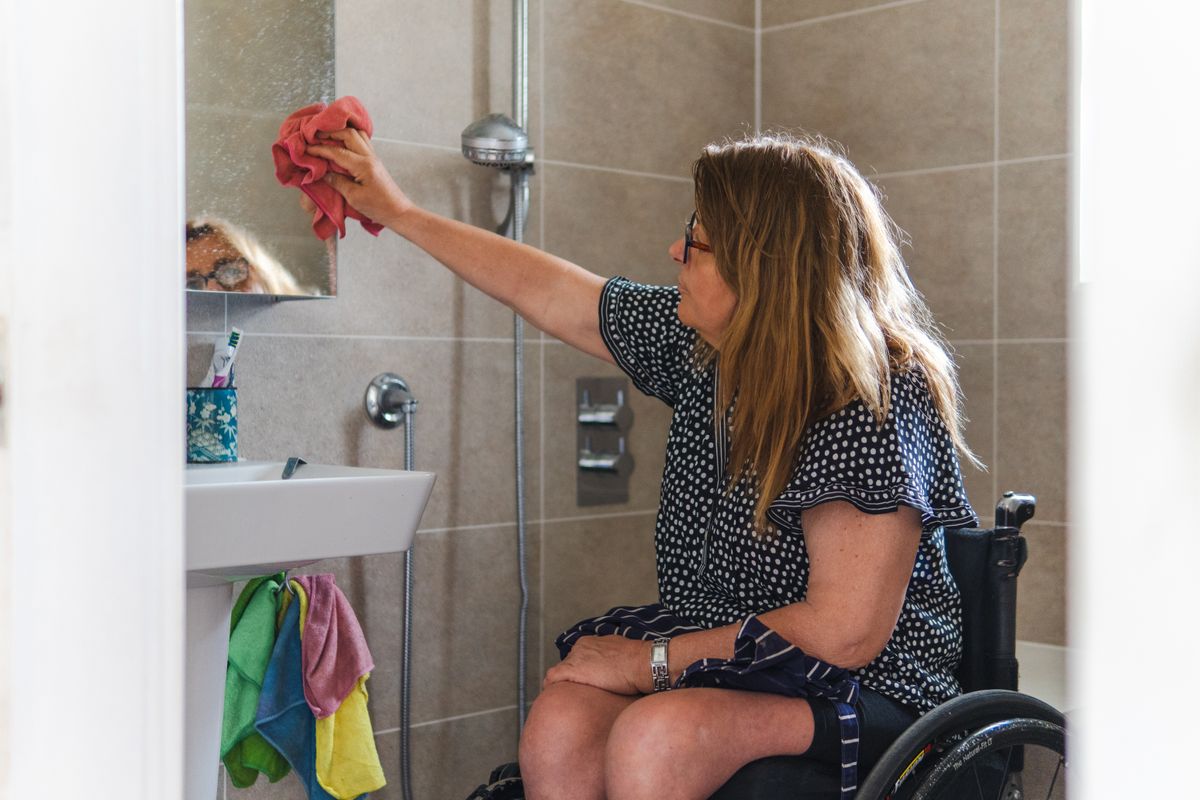
Bathroom Adaptations: Safety Comes First
Bathrooms are one of the most important areas to adapt.
Effective bathroom modifications include:
- Walk-in showers or wet rooms
- Bathtub and shower combinations
- Non-slip, textured flooring
- Grab rails near toilets and showers
- Adequate turning space for mobility aids
Good bathroom design supports dignity, independence, and daily hygiene while reducing fall risk.
Kitchen Adaptations for Easier Everyday Tasks
The kitchen can be adapted to make cooking and food preparation safer and more manageable.
Helpful adaptations include:
- Pull-out shelves and drawers
- Long-handled utensils and adapted cutlery
- Perch stools for seated food preparation
- Easy-grip taps and controls
Disabled Facilities Grants may help cover the cost of these changes, depending on eligibility.
Improving Access at Entrances and Hallways
For people who cannot manage steps, ramps can provide step-free access. Ramps should:
- Have a gentle gradient
- Include secure handrails
- Use non-slip surfaces
Inside the home, hallways may need widening or decluttering to allow safe movement. Doors can be adjusted to open away from high-traffic areas to improve accessibility.
Stair Adaptations: Making Multi-Level Homes Safer
Stairs are one of the biggest barriers in the home for people with reduced mobility.
Options include:
- Additional handrails on both sides
- Improved stair lighting
- Stairlifts for safe seated travel between floors
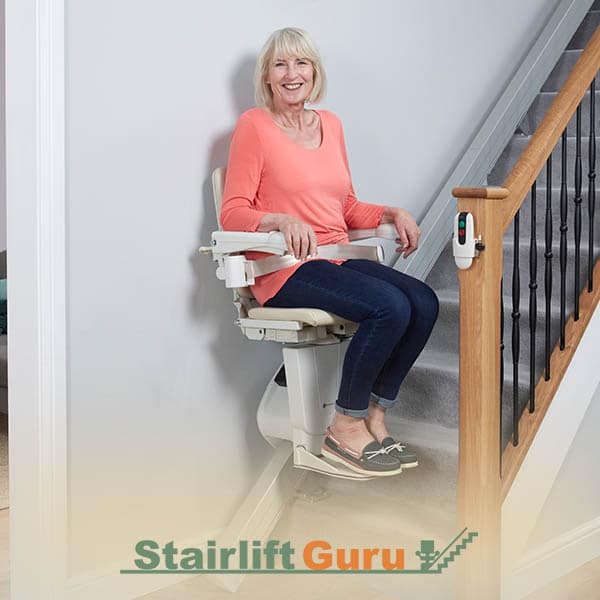
If stairs can no longer be used safely, installing a stairlift is one of the most effective solutions. Stairlifts are available for straight and curved staircases and are designed to allow safe access at both the top and bottom of the stairs. Mini home lifts may also be an option in some properties.
Sensory Aids for Visual and Hearing Impairments
Sensory aids can greatly improve safety and awareness in the home.
Examples include:
- Motion-sensor lighting
- Audible or vibrating alarms
- Visual alert systems
Home improvement agencies and local councils can advise on suitable aids and available funding.
Financial Support: Disabled Facilities Grants
The Disabled Facilities Grant (DFG) helps fund essential home adaptations.
Key points:
- Means-tested based on household income
- Up to £30,000 in England and £36,000 in Wales
- Covers adaptations such as stairlifts, wet rooms, ramps, and door widening
Local councils or home improvement agencies can guide you through the application process and help identify additional financial support.
Planning Permission and Regulations
Some larger adaptations may require planning permission, particularly if they alter the structure or exterior of the property. Your local council or home improvement agency can advise on regulations and ensure work meets legal and safety standards before installation begins.
Summary: Home Adaptations and Independence
Home adaptations make it possible to live safely, comfortably, and independently for longer.
Key takeaways:
- Start with a professional home assessment
- Prioritise bathrooms and stairs
- Consider stairlifts for multi-level homes
- Explore Disabled Facilities Grants and council support
- Tailor adaptations to personal needs and preferences
With the right adaptations and support, many people can continue living confidently in their own homes.
If you’re considering changes to make your home more accessible, our complete stairlift advice hub covers a wide range of mobility and safety topics, stairlift advice guide.
For practical tips on preventing falls and improving overall safety, check out fall prevention tips for the elderly.
You might also find our homebuilders accessible design article useful if you’re planning renovations or new construction with accessibility in mind.
Watch Our Video
See also
- Living downstairs vs stairlift vs moving, cost, disruption, and emotional comparison of the three main options.
Choosing a stairlift: our six guides
Independent UK guides on every stage of the decision and the install.
- Is it time for a stairlift? , The decision before you start. Signs, conversations, and what to try first.
- Types of stairlift , Straight, curved, narrow, outdoor, heavy-duty, standing. Which one fits your home.
- Stairlift prices , What stairlifts actually cost in the UK. By type, with what changes the price.
- Stairlift grants and funding , Disabled Facilities Grant, NHS, charity, finance. Who pays for what.
- Buy, rent, or reconditioned , The three routes compared, with a decision flowchart.
- Living with a stairlift , Install, servicing, repair, batteries, sell, remove. The full lifecycle.
 ChatGPT