
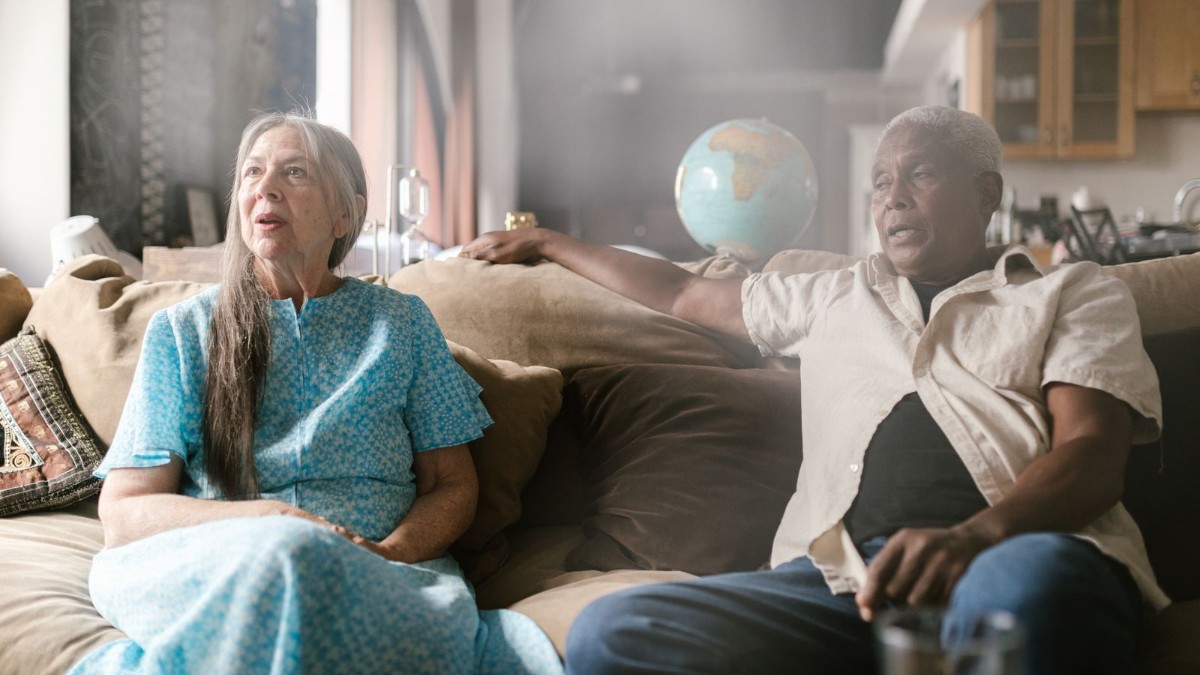
A team of UK researchers has developed a home sensor system designed to help older people live independently at home for longer by quietly spotting falls, health emergencies and gradual changes in daily routine. The technology, revealed by Nottingham Trent University in early October 2026, relies on discreet sensors rather than cameras or wearables, and it points to a bigger question for many families: how do you make a home somewhere a person can go on living safely as their needs change?
What the researchers have built
The system was created by researchers at Nottingham Trent University (NTU) working with the technology firm Integrated System Technologies Ltd, and the work has been published in the journal Sensors. Rather than a single gadget, it combines three types of low-cost sensor placed discreetly around the home.
Millimetre-wave radar detects movement, smart plugs connected to everyday appliances track activities such as making a cup of tea or preparing food, and deliberately low-resolution thermal sensors identify whether someone is sitting, standing, walking or lying down without capturing faces or revealing a person’s identity. Artificial intelligence then combines the readings, learns each person’s normal patterns over time and flags anything unusual, such as a possible fall, heart attack or stroke, or a slower decline in mobility and routine. When something looks wrong, family members and care professionals can be alerted so they can check in, remotely or in person.
In testing, the team set up a mock home with six different room layouts and recorded a range of everyday activities. Combining all three sensor types identified movement and posture more accurately than any single sensor on its own. Dr Yangang Xing of NTU, who led the work, described the aim as building a “complete picture” of how someone is coping at home while protecting their privacy. It is worth being clear that this is research at the prototype stage, not a product you can buy today.
We do not sell or install stairlifts. Quotes go to UK suppliers.
If you buy a stairlift from a supplier we introduced you to, that supplier pays us a fee. Requesting quotes is free and we are not paid for the request itself. How we are funded
Free, no obligation • UK-based suppliers only
Why this matters if you want to stay in your own home
Most older people say they would prefer to remain in their own home rather than move into residential care, a point the NTU team gives as the reason for the project. The practical obstacle is usually safety. Falls are one of the most common reasons older people lose confidence, end up in hospital or have a longer stay once they are there. NHS and public health data suggest around one in three people over 65, and roughly half of those over 80, have a fall each year.
A system that can spot an emergency quickly, and give early warning when someone’s daily pattern is quietly slipping, could mean help arrives sooner and serious problems are caught earlier. That is the appeal of technology like this. It does not stop a fall happening, but it can shorten the gap between a fall and someone noticing, which for an older person living alone can make a real difference.
We do not sell or install stairlifts. Quotes go to UK suppliers.
If you buy a stairlift from a supplier we introduced you to, that supplier pays us a fee. Requesting quotes is free and we are not paid for the request itself. How we are funded
Monitoring and practical adaptations do different jobs
It helps to see detection and prevention as two separate pieces of the same goal. Monitoring tells you when something has gone wrong. Adapting the home reduces the chance it goes wrong in the first place, and the two work best together.
Stairs are consistently one of the biggest risks in the home for older people and anyone with reduced mobility. Practical changes such as a stairlift, grab rails, brighter lighting on the landing and a level-access shower all cut the everyday risk rather than simply reacting to it. If you are weighing up a stairlift, our guide to stairlift prices sets out what to expect: typical UK prices reported by industry sources start from around £2,000 for a straight stairlift, with curved models costing more because the rail is made to measure. Depending on your circumstances you may not have to meet the full cost yourself, and our page on stairlift grants explains the help that may be available, including the Disabled Facilities Grant in England.
Who could benefit, and what to keep in mind
If it reaches the market, a system like this could suit older people living alone, people managing long-term health conditions, and families who care for a relative from a distance and worry between visits. The privacy-first design, with no cameras and nothing to wear, is likely to matter to people who have resisted monitoring until now.
There are sensible questions to hold in mind, though. The technology is still being researched, so there is no price, no launch date and no independent verdict on how it performs in real homes rather than a test setup. Any system that learns a person’s routine also collects data about them, so how that information is stored and who can see it will matter. And no sensor replaces human contact. The researchers themselves frame it as a way to prompt a check-in, not to replace one.
What you can do now
You do not have to wait for new technology to make a home safer. Many councils can arrange a home assessment to recommend adaptations, and simple changes such as removing trip hazards, improving lighting and fitting rails can be made straight away. If a flight of stairs has become the daily sticking point, it is worth getting a few quotes and checking whether you qualify for financial help before deciding.
It is also a good moment to check any alarm you already rely on. Millions of older people use a telecare pendant or home alarm, and the UK’s old analogue phone network is being switched off, with the move to digital landlines due to complete in early 2027. If you or a relative has a personal alarm, it is worth contacting the alarm provider and phone company to make sure it will keep working after the switch.
Research like the NTU project is a promising sign of where support for independent living is heading, and it may be a few years before anything similar is widely available. In the meantime, the adaptations that keep people safe on their stairs and around the home are already here, already proven and, with the right advice, often more affordable than families expect.
Choosing a stairlift: our six guides
Independent UK guides on every stage of the decision and the install.
- Is it time for a stairlift? , The decision before you start. Signs, conversations, and what to try first.
- Types of stairlift , Straight, curved, narrow, outdoor, heavy-duty, standing. Which one fits your home.
- Stairlift prices , What stairlifts actually cost in the UK. By type, with what changes the price.
- Stairlift grants and funding , Disabled Facilities Grant, NHS, charity, finance. Who pays for what.
- Buy, rent, or reconditioned , The three routes compared, with a decision flowchart.
- Living with a stairlift , Install, servicing, repair, batteries, sell, remove. The full lifecycle.
 ChatGPT