
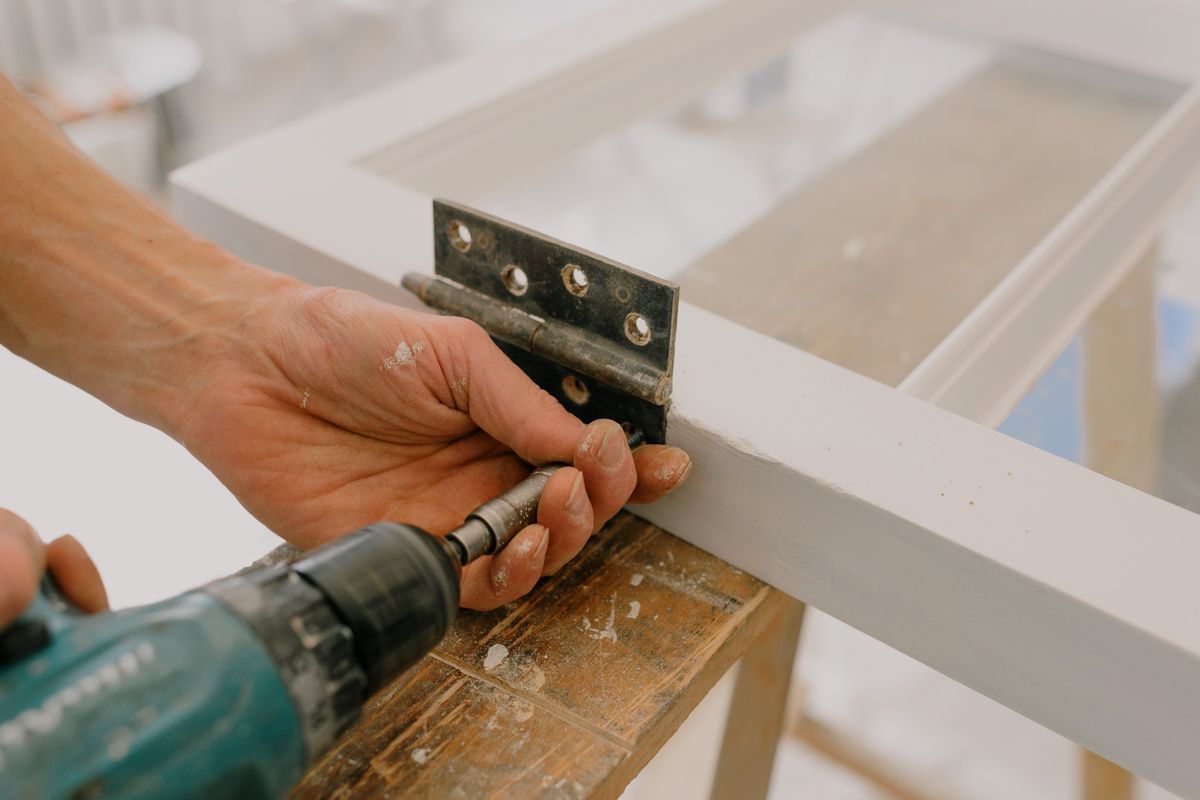
A quietly important support service for older and disabled people is coming under growing financial pressure across the UK. Handyperson schemes, the local services that fit grab rails, repair trip hazards and make small but important safety improvements at home, are facing funding cuts and new charges. For families weighing up how to keep an elderly relative safe at home, the changes are a reminder that this kind of support is shifting and that planning ahead matters more than ever.
What is happening to handyperson services?
The clearest recent example comes from Cambridgeshire. In March 2026, Age UK Cambridgeshire and Peterborough confirmed that Cambridgeshire County Council had decided to withdraw funding for the Handyperson service it delivers, a move the charity warned would put vulnerable residents at risk. The council is expected to save around £88,000 a year by ending the funding, according to Age UK Cambridgeshire and Peterborough.
The knock-on effect for residents is already visible. From 1 July 2026, the charity will introduce a charge of £25 per grab rail, including supply and installation, having previously offered this free of charge. As it explained in its update on service charges, the change follows shifts in local authority funding, and the charity says it has worked to keep the cost as low as possible so the service stays within reach of the people who rely on it.
Cambridgeshire is not an isolated case. Handyperson schemes are typically delivered through Home Improvement Agencies and part-funded by local councils, so they are vulnerable whenever council budgets tighten. As pressure on local government finances continues, more areas may review or reduce what they offer.
We do not sell or install stairlifts. Quotes go to UK suppliers.
If you buy a stairlift from a supplier we introduced you to, that supplier pays us a fee. Requesting quotes is free and we are not paid for the request itself. How we are funded
Free, no obligation • UK-based suppliers only
Why these small jobs matter so much
It would be easy to dismiss fitting a grab rail or fixing a loose stair as trivial. In practice, these are among the most cost-effective safety measures available. Supporters of the Cambridgeshire service describe it as a preventative service that reduces falls, prevents accidents and eases pressure on health and social care systems, rather than simply a minor repairs scheme.
The logic is straightforward. A handful of well-placed grab rails, a repaired handrail or a removed trip hazard can be the difference between someone staying steady on their feet and a fall that leads to a hospital stay. Falls among older people are a leading cause of injury and emergency admissions in the UK, and a serious fall can trigger a long, expensive recovery and a loss of confidence at home. Spending a small amount early often avoids far larger costs later, both for families and for the NHS and social care services.
One handyperson in Cambridgeshire summed up the value of the work to the BBC, saying the team do jobs for elderly and disabled people that no one else would. You can read that coverage via BBC News.
We do not sell or install stairlifts. Quotes go to UK suppliers.
If you buy a stairlift from a supplier we introduced you to, that supplier pays us a fee. Requesting quotes is free and we are not paid for the request itself. How we are funded
Who is affected, and how?
The people most affected are older and disabled homeowners and tenants who rely on free or heavily subsidised help to keep their homes safe. Handyperson services are usually open to residents who are disabled or aged over 65, though some schemes set the threshold at 60. For someone on a fixed income, even a modest new charge can be enough to make them put off a job that keeps them safe.
There is also a wider point for anyone planning ahead. Free local help has never been guaranteed and is becoming less reliable in some areas. If you or a relative are starting to find the stairs harder, or are recovering after a hospital stay, it is worth understanding all the routes to funding adaptations rather than assuming the council will cover everything.
What you can do if local support is shrinking
If your local handyperson scheme has been cut back or now charges, you still have several options. For minor adaptations, councils in England are generally expected to provide aids and small adaptations costing under £1,000 free of charge following a needs assessment, so it is worth asking your local adult social care team for an occupational therapist assessment. That assessment is also the gateway to larger funding.
For bigger changes, including a stairlift, the main source of help is the Disabled Facilities Grant. This means-tested grant can cover the cost of adaptations that help someone get around their home safely, with a maximum of £30,000 in England, £36,000 in Wales and £35,000 in Northern Ireland. We explain who qualifies and how to apply in our guide to stairlift grants.
If you are funding privately, it helps to know what to expect before you start getting quotes. Typical UK prices on our price index put straight stairlifts at the lower end of the range and curved models considerably higher, since they are built to fit the individual staircase. Our overview of stairlift prices sets out the ranges in more detail so you can budget with confidence.
The bigger picture
The squeeze on handyperson schemes reflects a familiar tension in social care: short-term savings on preventative services can lead to higher long-term costs when people end up in hospital or needing more intensive support. For now, the practical takeaway for families is to act early. Book an occupational therapy assessment if mobility is becoming a concern, check what your local Home Improvement Agency still offers, and explore grant funding before assuming you will have to pay for everything yourself. Small, timely changes remain one of the best ways to stay safe and independent at home, even as the way they are funded continues to change.
Prefer to watch? Our video guide covers the key points:
Choosing a stairlift: our six guides
Independent UK guides on every stage of the decision and the install.
- Is it time for a stairlift? , The decision before you start. Signs, conversations, and what to try first.
- Types of stairlift , Straight, curved, narrow, outdoor, heavy-duty, standing. Which one fits your home.
- Stairlift prices , What stairlifts actually cost in the UK. By type, with what changes the price.
- Stairlift grants and funding , Disabled Facilities Grant, NHS, charity, finance. Who pays for what.
- Buy, rent, or reconditioned , The three routes compared, with a decision flowchart.
- Living with a stairlift , Install, servicing, repair, batteries, sell, remove. The full lifecycle.
 ChatGPT