
Wider guide: see Living with a stairlift, the full lifecycle including selling and disposal.
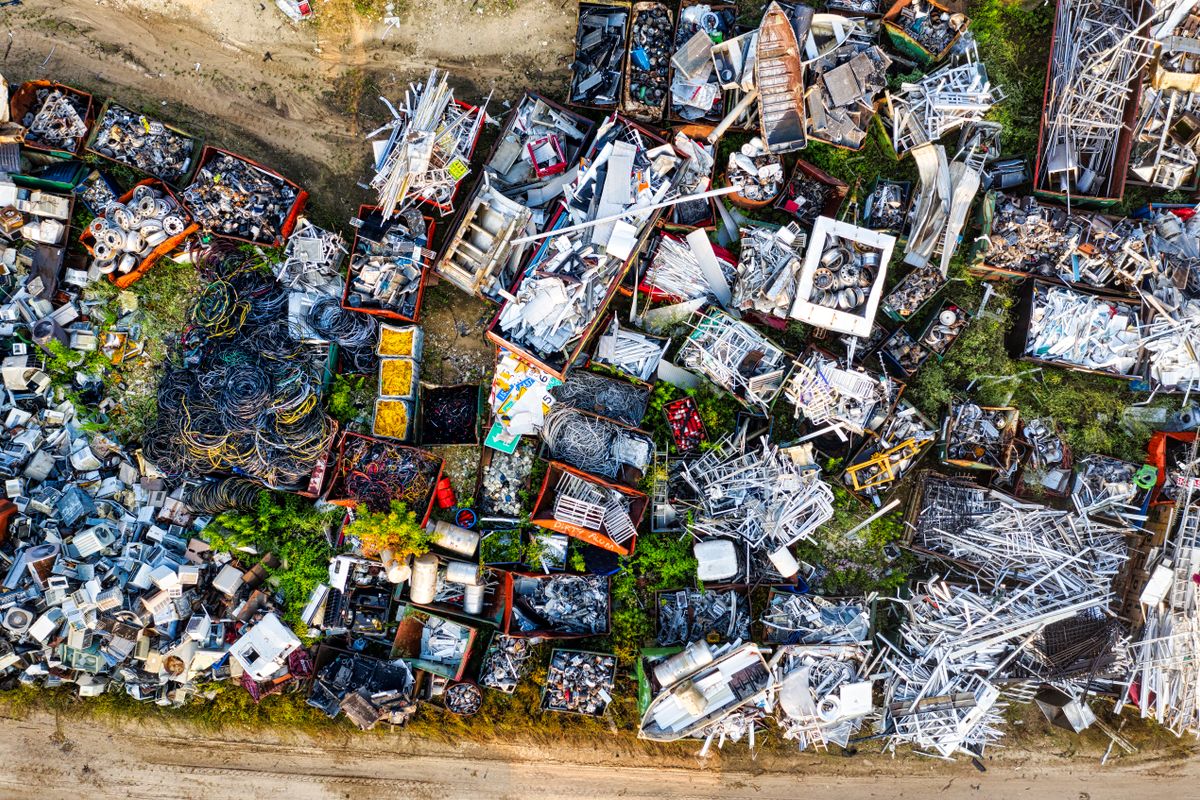
If a stairlift can’t be sold or donated, scrapping and recycling it is often the most responsible option. Stairlifts contain metal, electrical components, and batteries that should be handled properly not sent to landfill.
This page explains how stairlift scrapping and recycling works, what can be recycled, and how to do it safely in the UK.
Key Takeaways
- Many stairlifts can be partly or fully recycled
- Scrapping is common for older or curved stairlifts
- Professional removal is usually required
- Batteries and electronics must be disposed of safely
- Recycling is more environmentally responsible than disposal
The Short Answer: Can Stairlifts Be Scrapped or Recycled?
Yes. Most stairlifts can be scrapped or recycled, either in full or in parts. This is especially common when:
- The stairlift is old or no longer working
- It’s a curved stairlift with no resale value
- Donation or resale isn’t practical
What Parts of a Stairlift Can Be Recycled?
A stairlift typically contains:
Metals
- Steel or aluminium rails
- Brackets and fixings
These are commonly recycled.
Electrical Components
- Motors
- Wiring
- Control units
These must be handled as WEEE (electrical waste).
Batteries
- Often sealed lead-acid or lithium batteries
These must not go in general waste and require specialist disposal.
Plastic & Upholstery
- Seats and covers
These are less commonly recycled but may be separated.
Which Stairlifts Are Most Often Scrapped?
Curved Stairlifts
Curved stairlifts are frequently scrapped because:
- Rails are bespoke
- They rarely fit another home
- Resale demand is low
Some internal components may still be recycled.
Very Old Stairlifts
Older models may:
- Lack available parts
- Fail modern safety standards
- Be unsuitable for reuse
Scrapping is often the best option.
outdoor stairlifts
Outdoor stairlifts may be scrapped if:
- Corrosion is present
- Weather damage affects safety
Metal parts are often recyclable.
How Stairlift Scrapping Usually Works
- The stairlift is professionally removed
- Reusable parts are separated (if any)
- Metals and electronics are sent for recycling
- Batteries are disposed of safely
Some removal companies handle the entire process.
Who Can Scrap or Recycle a Stairlift?
Stairlifts can be scrapped by:
- Specialist stairlift removal companies
- Licensed scrap or recycling services
- WEEE-registered electrical recyclers
Always use a reputable provider.
Can You Scrap a Stairlift Yourself?
DIY scrapping is not recommended because:
Stairlifts are heavy
Electrical components are hazardous
Battery disposal is regulated
Improper disposal can be illegal
Professional handling is safer and compliant.
Does Scrapping a stairlift costs Money?
Sometimes:
- Removal may have a fee
- Recycling may be included in the service
In some cases:
- Scrap value of metals may reduce the cost
Always ask for a clear quote.
Is Scrapping Better Than Disposal?
Yes. Recycling:
- Reduces landfill waste
- Ensures safe handling of batteries and electronics
- Is more environmentally responsible
Disposal should be a last resort.
What Happens After Recycling?
After recycling:
- Metals are reused
- Electronics are processed safely
- Hazardous materials are disposed of correctly
This reduces environmental impact.
Things to Check Before Scrapping
Before proceeding, ask:
- Is removal included?
- Are batteries disposed of safely?
- Is recycling WEEE-compliant?
- Will you receive confirmation of disposal?
Clear answers ensure responsible handling.
Get Clear Guidance from Stairlift Guru
At Stairlift Guru, we help explain scrapping and recycling options clearly so you can choose a responsible solution without confusion.
Not Sure What to Do With an Old Stairlift?
If your stairlift can’t be sold or donated, scrapping and recycling may be the best option. Understanding the process helps you do it safely and responsibly.
We’re here to help with no pressure and no obligation.
If you want a broader overview of the process before deciding what to do with an old lift, our complete guide to stairlift removal explains what typically happens before, during, and after a lift is taken out.
You may also want to read what happens to the stairlift after removal to understand whether lifts are reused, resold, or recycled once they are removed.
If recycling isn’t the only option you’re considering, donate a stairlift explains when donating might be possible and what charities are likely to accept.
Choosing a stairlift: our six guides
Independent UK guides on every stage of the decision and the install.
- Is it time for a stairlift? , The decision before you start. Signs, conversations, and what to try first.
- Types of stairlift , Straight, curved, narrow, outdoor, heavy-duty, standing. Which one fits your home.
- Stairlift prices , What stairlifts actually cost in the UK. By type, with what changes the price.
- Stairlift grants and funding , Disabled Facilities Grant, NHS, charity, finance. Who pays for what.
- Buy, rent, or reconditioned , The three routes compared, with a decision flowchart.
- Living with a stairlift , Install, servicing, repair, batteries, sell, remove. The full lifecycle.

 ChatGPT