

Are Stairlifts Safe? - Learn How To Stay Safe On A Stairlift
Staying safe while using a stairlift is vital and something we push and express. Here we will look at stairlift safety and how you can stay safe in your home with a stairlift. Here are some safety tips.
Last Updated on March 25, 2026
What is a Stairlift?
A stairlift is a vital mobility aid designed to assist individuals with mobility issues or disabilities in navigating stairs safely and effortlessly. This motorised device transports users between the lower and upper levels of their home, providing a sense of independence and confidence. Stairlifts are particularly beneficial for those with mobility problems or injuries, as they eliminate the physical strain and risk associated with climbing stairs. By offering a reliable solution for moving up and down stairs safely, stairlifts enhance the quality of life for many individuals.
Installing A Stairlift In Your UK Home Can Keep You Safe At Home!
When someone you love is under your care, you worry about their well-being. Please do not allow them to be afraid of being alone in their own home. To put it mildly, it’s’ challenging to go about in a wheelchair. So we’ve’ put together a guide with tips and guidance about how customers can remain healthy when using a stairlift and stay safe at home with this stairlift safety because the stairs can be the most dangerous place in the house sometimes to the risk of falls.
Benefits of Stairlifts for Mobility Issues
Stairlifts offer a multitude of benefits for individuals facing mobility challenges. One of the primary advantages is the increased independence they provide. With a stairlift, users can navigate stairs without assistance, maintaining their autonomy and confidence. Safety is another significant benefit, as stairlifts reduce the risk of falls and injuries, ensuring users can move between floors securely. Additionally, stairlifts offer a comfortable and smooth journey, minimising stress and fatigue associated with stair climbing. Customisation options are available to meet individual needs and preferences, ensuring a safe and personalised experience for every user.
Stairlift Safety Frequently Asked Questions (FAQs)
How can you make your stairs more secure, please? Reducing the danger of tripping and falling using the stairlift features. Stairlifts safe features include safety sensors, a clear staircase, and regular stairlift maintenance to ensure optimal function, all contributing to a safe and reliable user experience. What role do stairlifts play in keeping you safe at the top of the stairwell? What is the max weight a stairlift can carry? Here are some frequently asked questions about stairlifts. We dedicated a whole page to break down these questions for you and see how stairlifts can prevent falls.
Is It Possible To Improve The Usability Of Your Stairwell?
It is safe for people to use it to go up and down the stairway. Stairlifts are securely attached to stair treads, ensuring stability and minimising visible damage to the stairs when removed. It’s’ exhausting to go up and down the stairs. Stairlifts allow people to remain independent and private in their own homes. This is because no one has to be present or overseen. Their homes will become much simpler for them to navigate because of this. The price of a stairlift might vary significantly based on your individual needs.
Is It Safe For You And Your Family To Use The Stairlifts In Your Home?
Are you looking at buying a stairlift? It’s’ common for people in the market to express concern about the device’s safety. Key safety features, such as a retractable safety belt and a powered swivel seat, are crucial for ensuring safe navigation of stairs, particularly for individuals with mobility challenges. In the hands of qualified specialists, stairlifts may be pretty safe. Stairlift companies such as Companion Stairlifts go to considerable lengths to ensure that their stairlifts comply with strict safety standards. Each stairlift companies have different stairlift prices.
What Is The Maximum Weight Limit Of A Stairlift
How much weight can a stairlift carry? Use a stairlift with a weight limit to keep your family safe at home. A stairlift maximum weight limit is set at 160 kg. It’s’ not designed to carry a significant number of passengers at once.
How Can A Stairlift Keep You Safe
Both stairlifts are equipped with several safety features that put the customer’s mind at ease while utilising the new mobility aid. A powered swivel seat aids in the safe mounting and dismounting process by adjusting to a comfortable position, which is particularly beneficial for individuals with mobility issues or joint pain, ultimately reducing the risk of falls while using the stairlift. Reduces the danger of injury using a rotating bench for straight lifts. You may designate locations for installation and disassembly such that the chair is difficult or hazardous for the user to reach or abandon. High-back chairs are great for those who have weak or wounded knees due to illnesses, such as arthritis. Since your knees and hips have a restricted range of motion, sitting will be uncomfortable for you. It’s’ best to utilise a perch seat while using a stairlift lift since it allows you to stand.
There is an extra track area on curved stairlifts to give clients more room for resting at the top of the stairwell. A retractable safety belt enhances user security while navigating stairs, providing a reliable safety mechanism for individuals with mobility issues. A power loss will not cause your stairlift to malfunction. Each model comes with two AA batteries. Even if you unplug the gadget, it will continue to operate. They’re’ reassuring you in some way. Consequently, people will be able to slide down the stairs from top to bottom effortlessly. In the event of an emergency, while you’re’ alone at home, a booster keeps you and your loved one protected.
What Stairlift Features Can You Make Use Of To Keep Yourself Safe At Home?
When deciding whether or not to purchase a stairlift, one’s mobility is critical. Being confronted that you need assistance getting about your house may be discouraging and upsetting. Instead of tripping over your feet, you may safely and quickly descend the stairs with a stairlift. If you have an elderly family member or loved one who needs assistance getting about, installing a stairlift may help them be more independent.
If A Fire Breaks Out In A Home That Has A Stairlift, What Happens?
Many customers will be worried if there is an accident. Building inhabitants and emergency responders who need Rechargeable batteries power it challenging to use a stairlift. Rest assured that stairlifts from stairlift companies such as Stannah Stairlifts do not create congestion. Additional benefits include lowered seats and armrests, which reduces overall vehicle weight. Thus, you’ll’ be able to relax at home knowing that you’re’ safe.
What Safety Features Can You Find On A Stairlift?
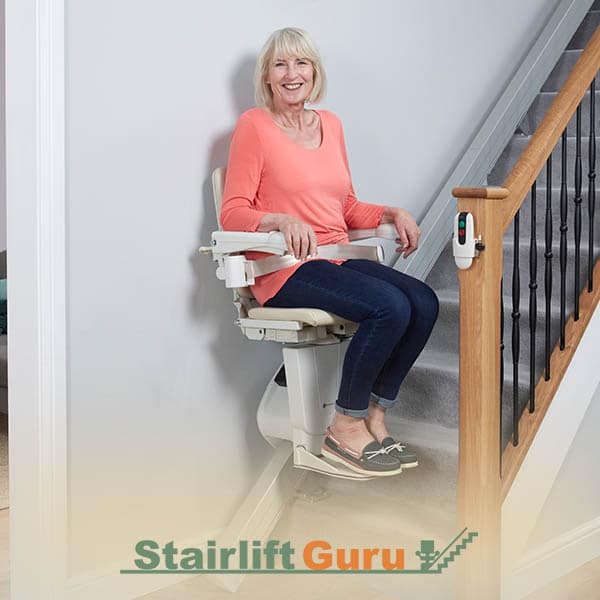
Stairlifts come with a range of stairlift features to help keep you or your loved one safe. Safety measures at the top of the stairs, such as powered swivel seats, are designed to prevent falls and ensure safe navigation. They come with seat belts; foot rests, arm rests, swivel seat, remote control and many more. These safety features are installed to keep the user safe and provide a comfortable ride. Buying a stairlift from a reputable company means the stairlift will meet multiple safety standards and make sure the stairlift is installed properly.
Do Stairlifts Have Safety Sensors?
Most stairlifts come with safety sensors to stop the stairlift from colliding with any people or objects on the stairs. However, this does not come as standard, and you should check the model you want to have this feature.
Professional Installation and Maintenance
Ensuring the safety and functionality of your stairlift begins with professional installation. It is crucial to have your stairlift installed by a reputable company to guarantee it meets all safety standards and operates correctly. Improper installation can lead to serious issues or injuries, so choosing a qualified and experienced technician is essential. Regular maintenance is equally important, as it helps prevent potential problems and keeps the stairlift in optimal working condition. Scheduling routine maintenance checks allows for the early detection and resolution of any issues, ensuring your stairlift remains safe and efficient for daily use.
Factors To Take Into Account When Shopping For Home Stairlifts
The sliding rail at the bottom of the stairlift reduces hazards, and the motor is covered to keep hair and clothing out. Stair lifts are effective and safe solutions for individuals facing mobility challenges. Rechargeable batteries power it. A stairlift’s motor and footplate stop operating when there is resistance. Ensure there is a maintenance program when you buy a stairlift to get routine maintenance.
Stairlift Help and Support
Proper help and support are vital for the safe and effective use of a stairlift. The user manual is an invaluable resource, providing detailed information on operating and maintaining the stairlift, including essential weight guidelines. Understanding the weight capacity is crucial for safe operation, so it’s important to read the manual thoroughly before use. Regular maintenance and inspections are also key to ensuring the stairlift’s longevity and safety. Reputable companies offer comprehensive maintenance and repair services, providing peace of mind that your stairlift will continue to function reliably and safely.
Summary Of Stairlift Safety
Installing a stairlift in your UK home can keep you safe at home with the use of these mobility aids. Stairlifts safe features include safety sensors, a clear staircase, and regular maintenance to ensure optimal function. Stairlifts are great for people with mobility issues. Some Frequently Asked Concerns About Stairlifting (FAQs). How can you make your stairs more secure, please? Reducing the danger of tripping and falling using the stairlift features.
One person can only use a stairlift at a time. High-back chairs are great for those who have weak or wounded knees due to illnesses. Extra track area on curved stairlifts gives clients more room for resting at the top of the stairwell. Stairlifts from stairlift companies such as Stannah.com give consumers additional peace of mind, including a seat belt and adjustable armrests helping them stay safe in the home. Rechargeable batteries power it challenging to use a stairlift.
No obligation • Takes 30 seconds