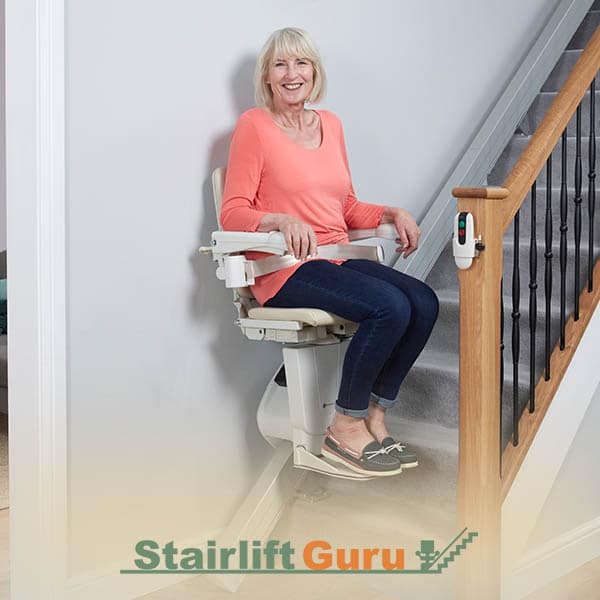
When a stairlift is no longer needed, some people consider removing it themselves to save money. However, stairlifts are heavy, electrically powered, and securely fixed to the stairs, which makes professional removal far safer than DIY removal in most cases.
This page compares professional vs DIY stairlift removal, explaining the risks, benefits, and what to consider before deciding.
Key Takeaways
- Professional removal is safer and recommended
- DIY removal carries injury and damage risks
- Stairlifts are heavy and electrically connected
- Improper removal can damage stairs
- Rental stairlifts must be removed professionally
The Short Answer: Should You Remove a Stairlift Yourself?
In most cases, no.
DIY stairlift removal is not recommended due to:
- Safety risks
- Electrical hazards
- Potential damage to the staircase
Professional removal offers peace of mind.
What Professional Stairlift Removal Involves
Professional removal includes:
- Safe power disconnection
- Controlled removal of the chair and rail
- Proper handling of heavy components
- Minimal disruption to the staircase
Engineers are trained and equipped for the job.
What DIY Stairlift Removal Involves
DIY removal typically means:
- Disconnecting the stairlift from power
- Lifting and carrying heavy parts
- Unscrewing the rail from the stairs
- Managing disposal
This can be physically demanding and risky.
Safety Risks of DIY Removal
DIY removal can involve:
❌ Heavy lifting injuries
❌ Electrical shock risk
❌ Falls or slips
❌ Damage to stairs or walls
Even small mistakes can cause harm.
Risk of Damage to Your Stairs
Incorrect removal can:
- Split or crack stair treads
- Leave large holes
- Affect stair stability
Professional removal minimises these risks.
stairlift warranty, Liability & stairlift insurance Issues
DIY removal may:
- Void warranties
- Affect insurance claims
- Leave you liable for damage or injury
Professional services usually carry insurance.
Rental Stairlifts: DIY Removal Not Allowed
If the stairlift is rented:
- DIY removal is not permitted
- Removal is usually included in the rental agreement
Always follow the provider’s terms.
Cost Comparison: Professional vs DIY
Professional Removal
- Higher upfront cost
- Lower risk
- Faster and safer
- Often includes tidy-up
DIY Removal
- Lower upfront cost
- Higher risk
- Potential hidden costs (repairs, injury)
Cost savings may not be worth the risk.
When Professional Removal Is Essential
Professional removal is especially important if:
- The stairlift is curved
- The stairlift is still under warranty
- The property is being sold
- Safety is a priority
Rare Cases Where DIY Might Be Considered
DIY removal may only be considered if:
- The stairlift is very basic
- You have relevant experience
- Safety precautions are taken
Even then, professional help is recommended.
Questions to Ask Before Deciding
Ask yourself:
- Is the stairlift rented or owned?
- Can I safely lift heavy equipment?
- Do I understand the electrical risks?
- Is saving money worth the risk?
Honest answers matter.
Get Clear Guidance from Stairlift Guru
At Stairlift Guru, we help explain the safest way to handle stairlift removal so you can avoid unnecessary risk or damage.
Not Sure Which Option Is Right?
If you’re unsure whether professional or DIY stairlift removal is best, understanding the risks helps you make a safer choice.
We’re here to help with no pressure and no obligation.
If you’re planning to remove a stairlift and want to understand the process first, our complete stairlift removal guide explains what typically happens during removal — stairlift removal guide.
For a step-by-step breakdown of how engineers usually remove stairlifts safely, check out how stairlift removal works.
You might also find our stairlift removal cost article helpful if you’re comparing the price of professional removal with attempting it yourself.