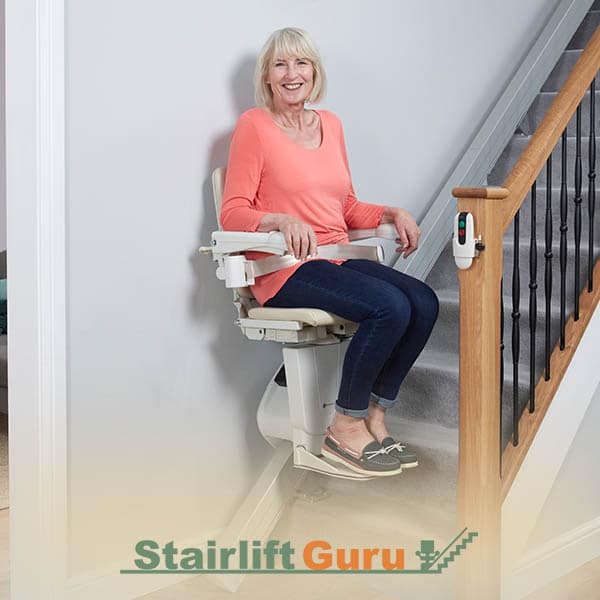
Stairlifts can be life-changing for many people but they’re not the right solution for everyone. Understanding when a stairlift may not be suitable helps you avoid frustration, wasted money, or unsafe situations.
This page explains when a stairlift isn’t the best option, and what alternatives may be worth considering.
Key Takeaways
- Stairlifts don’t suit every mobility need
- Safety and comfort come first
- Some staircases aren’t suitable
- Future mobility changes should be considered
- Alternatives may provide better long-term support
The Short Answer: When Might a Stairlift Not Be Suitable?
A stairlift may not be the right solution if:
- The user can’t sit safely
- Transfers on and off are unsafe
- The staircase can’t accommodate a lift
- Mobility needs are likely to change significantly
A professional assessment is essential.
When Sitting Is Not Safe or Comfortable
Stairlifts require the user to:
- Sit securely
- Maintain balance during travel
A stairlift may not be suitable if the user:
- Has severe balance issues
- Cannot sit upright
- Has uncontrolled spasms or severe tremors
When Transfers Are Unsafe
Getting on and off the stairlift must be safe.
A stairlift may not be suitable if:
- Standing is very difficult
- Turning at the top of the stairs is unsafe
- Assistance is always required
In these cases, other options may be safer.
Severe Cognitive or Awareness Issues
Stairlifts may not be appropriate if the user:
- Has severe dementia
- Cannot follow basic instructions
- Is unaware of safety risks
Supervision may not always be practical.
When Wheelchair Access Is Needed
Stairlifts:
- Do not accommodate most wheelchairs
If full wheelchair access between floors is required:
- A home lift or through-floor lift may be more suitable
Unsuitable Staircases
Some staircases may not support a stairlift due to:
- Extremely narrow width
- Unusual layout with no safe rail position
- Structural limitations
Professional surveys determine feasibility.
Progressive or Rapidly Changing Conditions
If mobility is expected to:
- Decline rapidly
- Require wheelchair use soon
A stairlift may only be a short-term solution.
When Long-Term Adaptation Is Needed
A stairlift may not suit:
- Long-term care needs
- Full accessibility requirements
More comprehensive adaptations may be better.
Emotional or Personal Barriers
For some people:
- A stairlift causes distress
- Acceptance is very difficult
Alternatives should be explored respectfully.
Alternatives to a Stairlift
When a stairlift isn’t suitable, alternatives may include:
- Home or through-floor lifts
- Bedroom and bathroom relocation
- Single-level living adaptations
- Moving to more suitable housing
Each option has pros and cons.
Professional Assessment Matters
An occupational therapist or mobility specialist can:
- Assess safety
- Recommend suitable adaptations
- Help plan for future needs
Advice should be individualised.
Choosing the Right Solution
The best solution:
- Prioritises safety
- Matches current and future needs
- Respects the user’s comfort and dignity
A stairlift is one option not the only one.
Get Honest Guidance From Stairlift Guru
At Stairlift Guru, we believe honest information is essential. We explain when stairlifts are and aren’t the right solution, so you can make informed decisions without pressure.
Unsure What’s Best?
If you’re unsure whether a stairlift is suitable, understanding the limitations as well as the benefits helps you choose confidently.
We’re here to help with no pressure and no obligation.
If you’re exploring alternatives to stairlifts, our complete stairlift advice hub offers broader guidance on mobility options and making the right decision for your situation — stairlift advice guide.
For insight into other access solutions, check out stairlift vs home lift explained.
You might also find our situations where renting a stairlift is a poor idea article useful if you’re evaluating alternatives like temporary solutions.