Home renovation shows have captured millions of viewers with dramatic transformations and impressive before-and-after reveals. From outdated kitchens to cramped living spaces, these programmes celebrate how good design can completely reshape a home.
But there’s a major issue that rarely gets airtime: accessibility.
While renovation shows excel in aesthetics and surface-level functionality, they frequently overlook the needs of people with mobility challenges. Staircases remain untouched, bathrooms look beautiful but impractical, and long-term usability is often sacrificed for visual impact.
In this blog, we’ll explore the accessibility gap in popular renovation programmes — and explain why stairlifts, mobility aids, and inclusive design should be part of every design-led renovation.
The Accessibility Gap in Renovation Shows
Accessibility is rarely treated as a priority on TV renovation programmes. There are several reasons why this crucial aspect of design is often ignored.
A Focus on Visual Impact
Renovation shows thrive on dramatic reveals and magazine-worthy interiors. Features such as stairlifts, ramps, or grab rails are often seen as disrupting the “wow factor”, even though adapting homes for changing needs is essential for long-term living.
Outdated Misconceptions About Mobility Aids
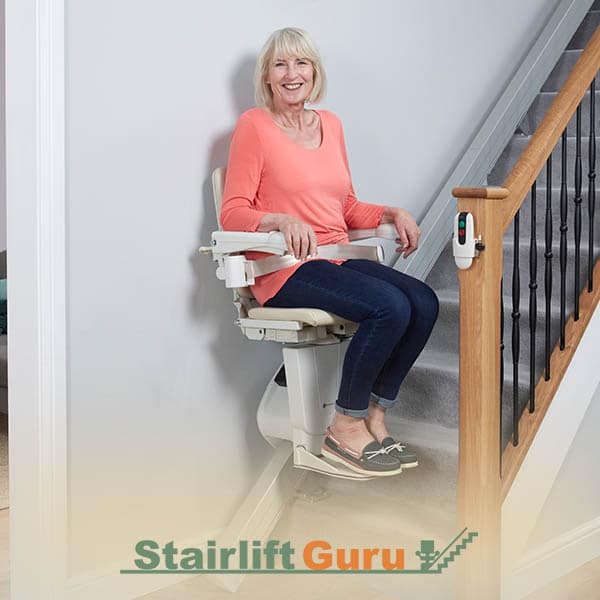
Mobility solutions are still widely viewed as bulky, clinical, or unattractive. This ignores the reality that modern stairlifts and accessibility features are sleek, discreet, and designed to blend into contemporary homes — while also improving safety for everyone.
Limited Representation
Most renovation shows rarely feature older homeowners or people with disabilities. As a result, accessibility isn’t part of the design conversation, reinforcing the idea that inclusive homes are only relevant to a small group.
Budget-Driven Decisions
With tight production budgets, accessibility modifications are often treated as optional extras rather than essential investments — despite the long-term value they add to a property.
Why Accessibility Should Be a Design Priority
Accessible design isn’t just about supporting people with mobility challenges — it improves how homes work for everyone.
Future-Proofing Homes
Accessibility features ensure a home remains usable as occupants age or experience changes in mobility. Planning ahead avoids expensive, disruptive retrofits later on.
Improving Quality of Life
Stairlifts, ramps, wider doorways, and accessible layouts support independence, reduce fall risk, and remove daily stress from navigating the home.
Inclusive Living
Accessible homes welcome family members, friends, and visitors of all ages and abilities, creating spaces that adapt to real life.
Increasing Property Appeal
Homes with accessibility features appeal to a wider market, making them more attractive to buyers and future-proofing their value.
Bathroom Accessibility: What TV Renovations Often Miss
Bathrooms are frequently renovated on TV, but accessibility is usually limited to surface-level features.
True accessibility goes further.
- Non-slip flooring helps prevent falls
- Lowered sinks and vanities improve usability for seated users
- Well-placed lighting and switches support safe navigation
- Heated floors add comfort and reduce risk in cold conditions
When designed properly, accessible bathrooms are not only safer — they’re calmer, more comfortable, and easier to use for everyone.
Incorporating Stairlifts Into Design-Led Renovations
Stairlifts are often dismissed due to outdated assumptions about appearance or complexity. In reality, modern stairlifts are highly adaptable and can be integrated seamlessly into well-designed homes.
Why Stairlifts Belong in Renovation Planning
- Stylish options with custom colours and finishes
- Compact, fold-away designs that keep staircases clear
- Custom-fit rails that follow the exact layout of the stairs
- Smart home integration for smooth, intuitive operation
When planned from the start, stairlifts become part of the design — not an afterthought.
Accessible Storage: Designed for Real Life
Storage is often overlooked in renovation planning, yet it plays a huge role in day-to-day independence.
Accessible storage solutions include:
- Pull-out shelves and drawers
- Pocket doors and widened doorways
- Cabinets designed around reach height and mobility aids
Paired with features like walk-in showers or built-in seating, these solutions create homes that are genuinely easier to live in — not just visually impressive.
Smart Home Technology: The Quiet Accessibility Upgrade
Smart home technology rarely features on renovation shows, yet it can be transformative for people with limited mobility.
Examples include:
- Voice-controlled lighting and heating
- Automated doors and blinds
- Smart security systems
These tools reduce physical strain, improve safety, and allow residents to control their environment with confidence — all while adding modern appeal to the home.
Common Mistakes in Accessible Renovations
Even well-intentioned renovations can fall short without careful planning.
Common mistakes include:
- Ignoring the specific needs of the individual
- Skipping essentials like grab rails or non-slip flooring
- Poor layout planning that limits long-term usability
- Failing to consider future mobility changes
Successful accessible renovations start with listening, planning, and designing for real life — not just the reveal.
How to Advocate for Accessible Renovations
If you’re renovating or working with a designer or contractor, accessibility should be part of the conversation from day one.
- Discuss mobility needs early
- Plan wider doorways and step-free access
- Research modern, design-led accessibility solutions
- Embrace universal design principles
- Consider cost-effective upgrades with long-term value
Accessibility doesn’t have to mean compromise — it means smarter design.
Final Thoughts
Home renovation shows may inspire big ideas, but they often miss one of the most important elements of great design: accessibility.
By including stairlifts, mobility aids, and universal design principles, homes can be beautiful, practical, and inclusive — without sacrificing style.
At Stairlift Guru, we believe accessibility and good design go hand in hand. If you’re planning a renovation, we’re here to help you find mobility solutions that enhance your home and support independent living.
Get in touch to learn how stairlifts can fit seamlessly into your design — now and for the future.
If you’re seeing accessibility through a renovation lens, our complete stairlift advice hub offers broader guidance on making homes safer and more comfortable — stairlift advice guide.
For practical ideas that focus on designing for users of all abilities, check out homebuilders accessible design.
You might also find our fall prevention tips for the elderly article helpful when planning safety improvements throughout your home.