Stairlifts may feel like a modern invention, but their history stretches back hundreds of years. From royal palaces to everyday homes, stairlifts have evolved in response to one simple need: helping people move safely between floors when stairs become difficult.
This guide examines who invented the stairlift, where the idea originated, and how modern stairlifts came to be.
Quick History of Stairlifts
- The earliest recorded stairlift dates back to the 1500s
- King Henry VIII used a primitive stairlift at Whitehall Palace
- The first commercial home stairlift was invented in the 1920s
- Modern stairlifts now include advanced safety, comfort, and remote technology
The Earliest Stairlift: King Henry VIII
The first recorded stairlift was created for King Henry VIII of England in the 16th century.
After a serious jousting injury in 1536, combined with severe mobility issues later in life, the King struggled to climb stairs. Royal records describe a “chair that goeth up and down” installed at Whitehall Palace in London.
How Henry VIII’s Stairlift Worked
- Powered by a block-and-tackle rope system
- Operated by servants pulling ropes
- Based on similar systems used on naval ships such as the Mary Rose
- Used to lift the King up a 20-foot staircase
This makes Henry VIII’s stairlift the first documented stairlift in history.
Why Stairlifts Were Invented
Stairlifts were not invented for convenience they were created out of necessity.
Throughout history, people with:
- Injuries
- Illness
- Age-related mobility loss
needed a way to move between floors safely. Early stairlift concepts focused entirely on function, not comfort.
Early Mechanical Stairlift Concepts
Before electric stairlifts existed, early solutions included:
- Manual “invalid chairs”
- Rope-and-pulley systems
- Chairs carried by servants
These systems were dangerous, labour-intensive, and impractical for everyday homes but they laid the groundwork for future innovation.
The First Commercial Stairlift (1920s)
The modern stairlift as we recognise it today was invented in the 1920s by C.C. Crispen, a self-taught American engineer.
The Invention of the Inclinator
Crispen designed the first powered stairlift to help a friend who had become ill and could no longer climb stairs.
His invention was called “The Inclinator.”
Key Features of the Inclinator:
- Folding wooden chair
- Footrest for stability
- Steel rail mounted to the stairs
- Electric motor powered by household electricity
This was the first stairlift designed specifically for use in the home.
The Inclinator Company of America
Following the success of his invention, Crispen founded the Inclinator Company of America in the 1930s.
Early stairlifts were commonly used by:
- Polio survivors
- People recovering from serious illness
- Individuals with permanent disabilities
This marked the beginning of commercial stairlift production.
Stairlifts in the 20th Century
Throughout the mid-to-late 20th century, stairlifts evolved steadily:
- Improved motors and rails
- Better safety features
- Fold-away seats and footrests
- Increased comfort and reliability
As life expectancy increased, stairlifts became more common in private homes.
What Changed in the 21st Century?
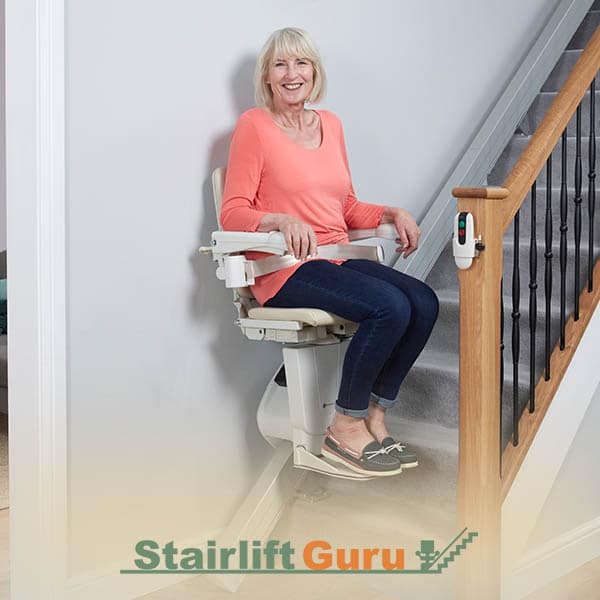
Modern stairlifts are vastly different from their early counterparts.
Today’s Stairlifts Include:
- Battery-powered operation (works during power cuts)
- Swivel seats for safer exits
- Remote controls
- Obstruction sensors
- Foldable designs for stairlifts for narrow stairss
- Custom rails for curved staircases
These improvements have made stairlifts safer, quieter, and more accessible than ever before.
Modern Stairlift Brands and Market Growth
Today, stairlifts are produced by well-established companies, including:
- Stannah Stairlifts Stairlifts
- Acorn Stairlifts Stairlifts
- Handicare Stairlifts
Many of these companies have decades of experience, building on the foundations laid in the early 20th century.
Impact of Stairlifts on Society
Stairlifts have transformed everyday life for millions of people by:
- Reducing falls on stairs
- Allowing people to stay in their homes longer
- Supporting independence and dignity
- Reducing the need to move house or enter care
With an ageing population, stairlifts are now considered an essential mobility solution, not a luxury.
Key Milestones in Stairlift History
- 1500s – King Henry VIII uses a rope-powered stairlift
- 1920s – C.C. Crispen invents the Inclinator
- 1930s – Commercial stairlifts become available
- Late 1900s – Safer, foldable home stairlifts emerge
- 21st century – Smart, battery-powered stairlifts with advanced safety features
Summary: Who Invented the Stairlift?
- The first recorded stairlift was used by King Henry VIII
- The first home stairlift was invented by C.C. Crispen in the 1920s
- Stairlifts have evolved from manual rope systems to advanced electric mobility aids
- Today’s stairlifts prioritise safety, comfort, and independence
The history of stairlifts shows that accessibility has always mattered and continues to improve.
If you’re interested in how stairlifts have evolved over time, our complete stairlift advice hub explores a wide range of topics to help you make informed decisions — stairlift advice guide.
For insight into how modern stairlifts actually work compared with early designs, check out how stairlifts work.
You might also find our future of stairlifts article helpful for seeing how the technology continues to develop.