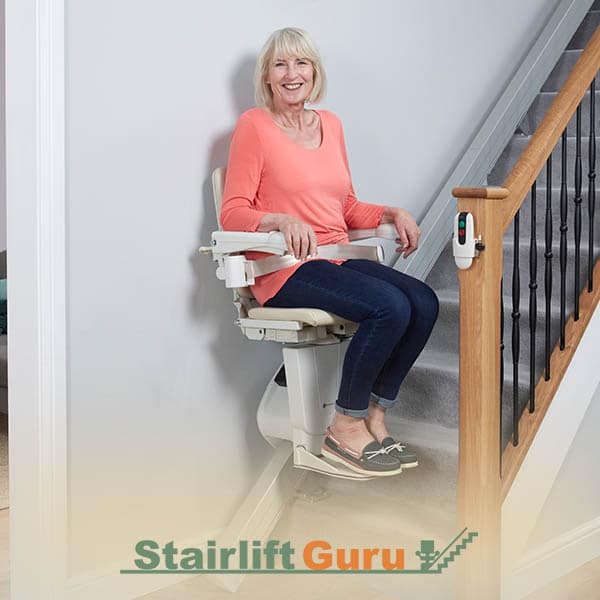
A stairlift can be a life-changing solution but it isn’t always the first step. Depending on your mobility, health, and home layout, there may be simpler, less intrusive alternatives worth trying before committing to a stairlift.
This page explores the main alternatives to stairlifts, who they’re suitable for, and when a stairlift becomes the better option.
Key Takeaways
- Stairlifts aren’t always needed straight away
- Small home adaptations can make a big difference
- Some alternatives are cheaper and quicker
- Temporary solutions may suit short-term needs
- Professional assessment helps avoid unnecessary changes
Simple Home Adaptations to Try First
Additional Handrails
Adding one or more extra handrails can:
- Improve balance
- Reduce fall risk
- Make stairs feel safer
This is often the first recommendation from occupational therapists.
Improved Lighting
Poor lighting increases fall risk.
Simple upgrades include:
- Brighter bulbs
- Motion-sensor lights
- Light switches at both ends of the stairs
Low cost, big impact.
Non-Slip Stair Coverings
Non-slip treads or stair carpets:
- Improve grip
- Reduce slipping
- Increase confidence
Especially useful on wooden or worn stairs.
Changes to Living Arrangements
Moving Essential Rooms Downstairs
If possible, relocating:
- Bedroom
- Bathroom
to the ground floor can significantly reduce stair use, sometimes eliminating it entirely.
Installing a Downstairs Toilet or Shower
For some households, a ground-floor bathroom:
- Reduces daily stair use
- Supports independence
- Delays the need for major adaptations
Mobility Aids That May Help
Walking Aids
Walking sticks or frames can:
- Provide extra support
- Improve balance
- Help manage short staircases
Best suited for mild mobility issues.
Stair Walking Aids
Specialist stair supports:
- Offer extra stability
- Are suitable for some users
These should always be assessed professionally.
Health & Rehabilitation Options
Physiotherapy or Exercise Programmes
Targeted therapy can:
- Improve strength and balance
- Reduce pain
- Delay the need for equipment
Often helpful after surgery or illness.
Temporary or Short-Term Solutions
Renting a Stairlift
Rental stairlifts may suit:
- Recovery after surgery
- Short-term mobility loss
- Trial periods
Not ideal for long-term needs.
When a Stairlift Becomes the Better Choice
A stairlift is often the safest option when:
- Pain makes stairs difficult
- Balance is unreliable
- Falls are a concern
- Alternatives no longer provide enough support
Safety should always come first.
The Importance of Professional Assessment
An occupational therapist can:
- Assess your mobility
- Review your home layout
- Recommend suitable adaptations
- Help plan for future needs
This avoids unnecessary or unsuitable solutions.
Trying Alternatives First Doesn’t Rule Out a Stairlift
Many people:
- Start with small adaptations
- Install a stairlift later when needed
There’s no “right” timeline, only what works best for you.
Get Honest Guidance From Stairlift Guru
At Stairlift Guru, we believe in helping people find the right solution, not just sell a stairlifts. We explain alternatives clearly so you can make confident, informed decisions.
Not Sure What to Do Next?
If you’re unsure whether a stairlift is needed right now, understanding your alternatives can help you move forward calmly and confidently.
We’re here to help with no pressure and no obligation.
If you’re exploring alternatives before committing to a stairlift, our complete stairlift advice hub outlines key considerations and options — stairlift advice guide.
For insight into how stairlifts compare directly with other mobility solutions, check out stairlift vs home lift explained — it’s useful for weighing different access options.
You might also find our situations where renting a stairlift is a poor idea helpful if you’re considering rental alternatives.