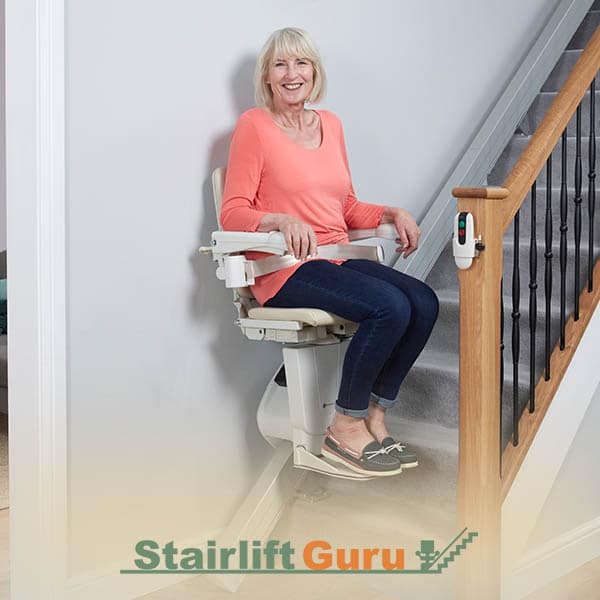
Yes, outdoor stairlifts are safe in winter when they are properly installed, weather-protected, and well-maintained.
Modern outdoor stairlifts are designed to handle cold temperatures, rain, frost, and even snow, making them a reliable mobility solution throughout the year.
However, winter safety depends on the right features, correct installation, and sensible use during extreme conditions. This guide explains exactly how outdoor stairlifts perform in winter, what risks to watch for, and how to keep yours safe and reliable.
Key Takeaways
- Outdoor stairlifts are built for year-round use, including winter conditions
- Weatherproof materials protect motors, rails, and controls
- Simple winter maintenance dramatically improves safety and lifespan
- Ice, snow, and poor drainage not the stairlift itself are the main winter risks
- Covers, heaters, and anti-slip footrests make outdoor stairlifts safer in cold weather
Are Outdoor Stairlifts Designed for Winter Use?
Yes. Outdoor stairlifts are specifically engineered for external environments, including cold and wet conditions.
Unlike indoor models, outdoor stairlifts feature:
- Weather-sealed motors and electronics
- Rust-resistant rails and fixings
- UV-stable, waterproof seating materials
- Controls designed to work with gloves
Most reputable manufacturers test outdoor stairlifts to operate in temperatures well below freezing, meaning normal UK winters are well within design limits.
What Happens to an Outdoor Stairlift in Cold Weather?
Cold weather alone does not make an outdoor stairlift unsafe. However, winter conditions can affect performance if precautions aren’t taken.
Common winter factors include:
- Ice on steps or footrests
- Snow buildup along the rail
- Moisture freezing around hinges or safety sensors
- Reduced battery efficiency in extreme cold
The good news? These issues are easy to prevent with basic care and the right accessories.
Winter Safety Features to Look For
A high-quality outdoor stairlift should include (or be upgraded with) the following winter-friendly features:
Weatherproof Covers
A heavy-duty waterproof cover protects the seat, controls, and motor from rain, frost, and snow when not in use.
Anti-Slip Footrest
Textured or rubberised footrests reduce the risk of slipping when footwear is wet or icy.
Sealed Controls
Weather-sealed buttons and joysticks prevent moisture from interfering with operation.
Safety Sensors
Modern stairlifts automatically stop if ice, debris, or snow block the rail, preventing accidents.
Optional Rail Heaters
In colder regions, rail heaters prevent ice from forming on the track, ensuring smooth movement.
Are Outdoor Stairlifts Safe in Snow and Ice?
They can be, but caution is essential.
Outdoor stairlifts are safe to use in winter as long as the steps and rail are clear. Attempting to use a stairlift when ice has built up on the stairs or footrest increases risk.
Best practice during snow or frost:
- Clear snow from steps and rail before use
- Avoid use during active snowfall or freezing rain
- Keep the stairlift covered when not in use
- Use handrails and take your time when boarding
If conditions are severe, it’s safest to wait until the area has been cleared.
How to Keep an Outdoor Stairlift Safe in Winter
Simple maintenance makes a huge difference.
Weekly winter checks:
- Wipe moisture from the seat and controls
- Check the rail for ice, leaves, or debris
- Make sure the cover is secure
Ongoing care:
- Schedule annual servicing before winter
- Keep drainage around the stairs clear
- Replace worn anti-slip surfaces promptly
These small steps help ensure smooth, safe operation all winter long.
Do Outdoor Stairlifts Stop Working in Winter?
No, but like any battery-powered equipment, performance can be affected by extreme cold.
Most outdoor stairlifts use battery operation, which is actually safer in winter than mains-only systems. Batteries allow the lift to continue working during power cuts, which are more common in storms.
In very low temperatures, batteries may drain slightly faster, but this rarely impacts everyday use when charging points are working correctly.
Who Should Be Extra Cautious in Winter?
Outdoor stairlifts remain safe for most users, but extra care should be taken if the user:
- Has limited balance when transferring on and off the seat
- Uses the stairlift independently without supervision
- Lives in an area prone to heavy snow or prolonged freezing
In these cases, additional features like rail heaters, call stations, and professional winter servicing are strongly recommended.
Final Verdict: Are Outdoor Stairlifts Safe in Winter?
Yes outdoor stairlifts are safe in winter when properly designed, installed, and maintained.
They are built to handle cold, wet conditions and remain a dependable mobility solution throughout the year. With sensible winter precautions and the right features in place, outdoor stairlifts can be used safely and confidently even during colder months.
If you’re planning for cold conditions, our full outdoor stairlifts guide explains what to consider before choosing and maintaining a model — outdoor stairlifts guide.
For insight into weather protection and durability, check out weatherproof outdoor stairlifts — it’s useful for understanding how units cope with different seasons.
You might also find our how long outdoor stairlifts last article helpful when thinking about performance over the long term.