
Wider guide: see Types of stairlift, six UK stairlift types with what fits which home.
Outdoor stairlifts are designed to withstand rain, moisture and changing temperatures, but corrosion can still occur over time without proper care. Modern outdoor stairlifts use rust-resistant materials and protective finishes.
Even so, long-term exposure to the elements means stairlift maintenance matters for both safety and appearance.
In short: rust isn’t inevitable, but neglect makes it far more likely.
Key Takeaways
- Outdoor stairlifts are built using corrosion-resistant materials
- Aluminium rails do not rust, but fittings still need protection
- Moisture, salt, and poor drainage accelerate corrosion
- Regular cleaning and stairlift servicing greatly reduce long-term damage
- Covers and correct installation are essential for longevity
We don’t sell or fit stairlifts. Quotes go to UK suppliers.
Quotes are free. We’re only paid if you buy: the supplier we introduced you to pays us a fee. How we are funded
Free, no obligation • UK-based suppliers only
Are Outdoor Stairlifts Weatherproof?
Yes. Outdoor stairlifts are purpose-built for external use and are far more weather-resistant than indoor models.
They typically feature:
- Anodised aluminium rails, which cannot rust
- Stainless steel screws and fixings
- Powder-coated metal components for added protection
- Sealed motors and electrical systems
These design choices significantly slow down corrosion, even in wet or cold climates.
Which Conditions Cause Corrosion Over Time?
Corrosion doesn’t usually happen because of rain alone, it’s caused by constant moisture combined with poor airflow or drainage.
High-risk conditions include:
- Staircases where water pools at the base of the rail
- Shaded areas that stay damp for long periods
- Coastal locations with salty air
- Lack of cleaning, allowing dirt and debris to trap moisture
Over time, these conditions can wear away protective coatings.
Which Parts Are Most Likely to Corrode?
Although rails are highly resistant, some components are more exposed.
Areas to monitor:
- Bolts and brackets fixed into masonry
- Hinges and folding mechanisms
- Charging points located outdoors
- Lower sections of the rail near ground level
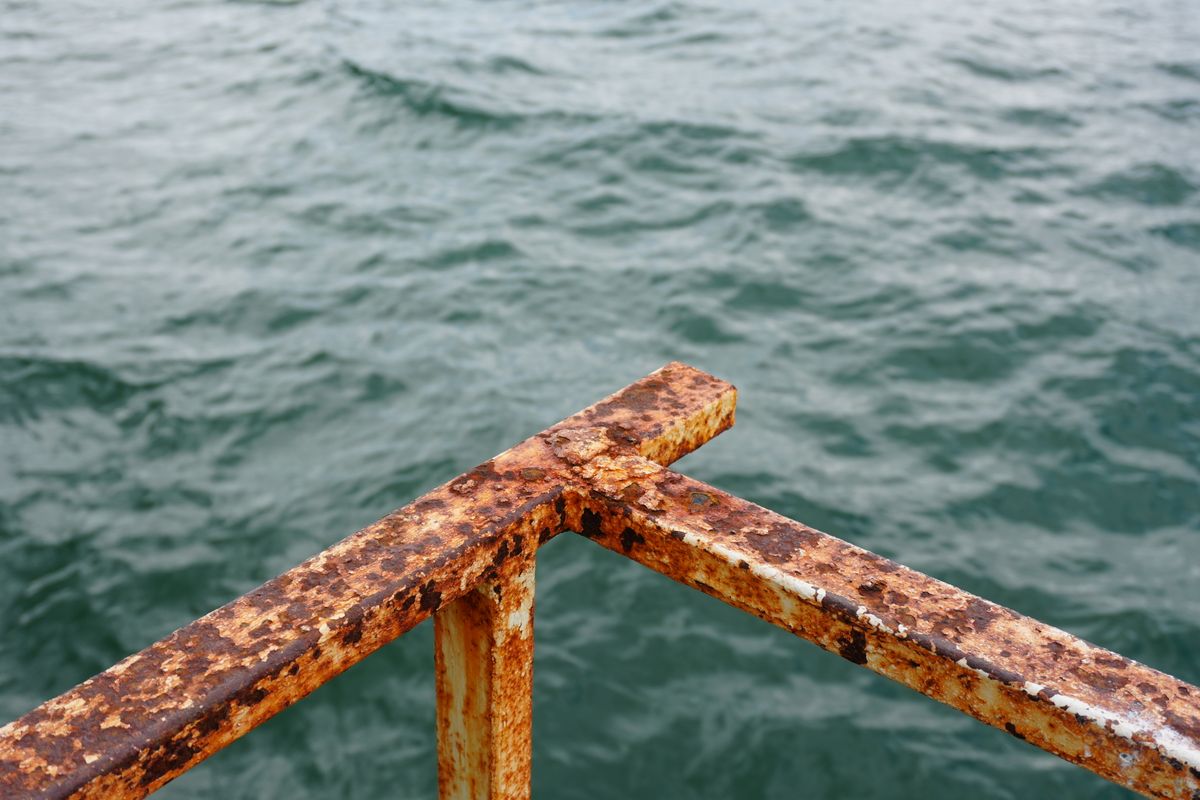
Early corrosion usually appears as discolouration or surface staining. At that stage it isn’t usually structural damage.
How Long Should an Outdoor Stairlift Last?
With correct care, most outdoor stairlifts last 10 to 15 years, even in the UK’s variable weather.
Longevity depends on:
- Build quality and materials
- Installation location
- Exposure to moisture or salt
- Frequency of servicing
Units that are cleaned regularly and kept covered often last significantly longer.
How to Reduce Rust and Corrosion Risk
Preventative maintenance is simple but highly effective.
Best practices include:
- Using a waterproof cover whenever the stairlift is not in use
- Wiping down metal parts to remove moisture and grime
- Keeping drainage channels clear
- Booking annual professional servicing
These steps help protect both mechanical reliability and safety.
Are Outdoor Stairlifts at Greater Risk Near the Sea?
Yes. Coastal environments increase corrosion risk due to airborne salt.
If you live near the coast:
- More frequent cleaning is advised
- Stainless steel components are especially important
- Marine-grade finishes may be recommended
With the right setup, outdoor stairlifts still perform reliably in coastal areas.
Does Corrosion Affect stairlift safety?
Surface corrosion is usually cosmetic at first, but if left untreated it can lead to:
- Reduced smoothness of travel
- Increased wear on moving parts
- Compromised fixings or joints
This is why early detection and routine checks are essential for outdoor stairlifts.
Final Verdict: Do Outdoor Stairlifts Rust or Corrode Over Time?
Outdoor stairlifts are built to resist rust, but long-term exposure means maintenance matters.
When installed correctly and cared for properly, corrosion is minimal and does not impact safety or performance for many years.
A well-maintained outdoor stairlift remains a dependable mobility solution in all seasons.
If you’re thinking about protection from the elements, our full outdoor stairlifts guide explains what to consider when choosing and maintaining a model, outdoor stairlifts guide.
For tips on looking after your unit outdoors, check out outdoor stairlift covers, it’s useful for extra protection and longevity.
You might also find our how long outdoor stairlifts last article helpful for understanding durability in different weather conditions.
Prefer to watch? Our video guide covers the key points:
Choosing a stairlift: our six guides
Independent UK guides on every stage of the decision and the install.
- Is it time for a stairlift? , The decision before you start. Signs, conversations, and what to try first.
- Types of stairlift , Straight, curved, narrow, outdoor, heavy-duty, standing. Which one fits your home.
- Stairlift prices , What stairlifts actually cost in the UK. By type, with what changes the price.
- Stairlift grants and funding , Disabled Facilities Grant, NHS, charity, finance. Who pays for what.
- Buy, rent, or reconditioned , The three routes compared, with a decision flowchart.
- Living with a stairlift , Install, servicing, repair, batteries, sell, remove. The full lifecycle.
 ChatGPT