
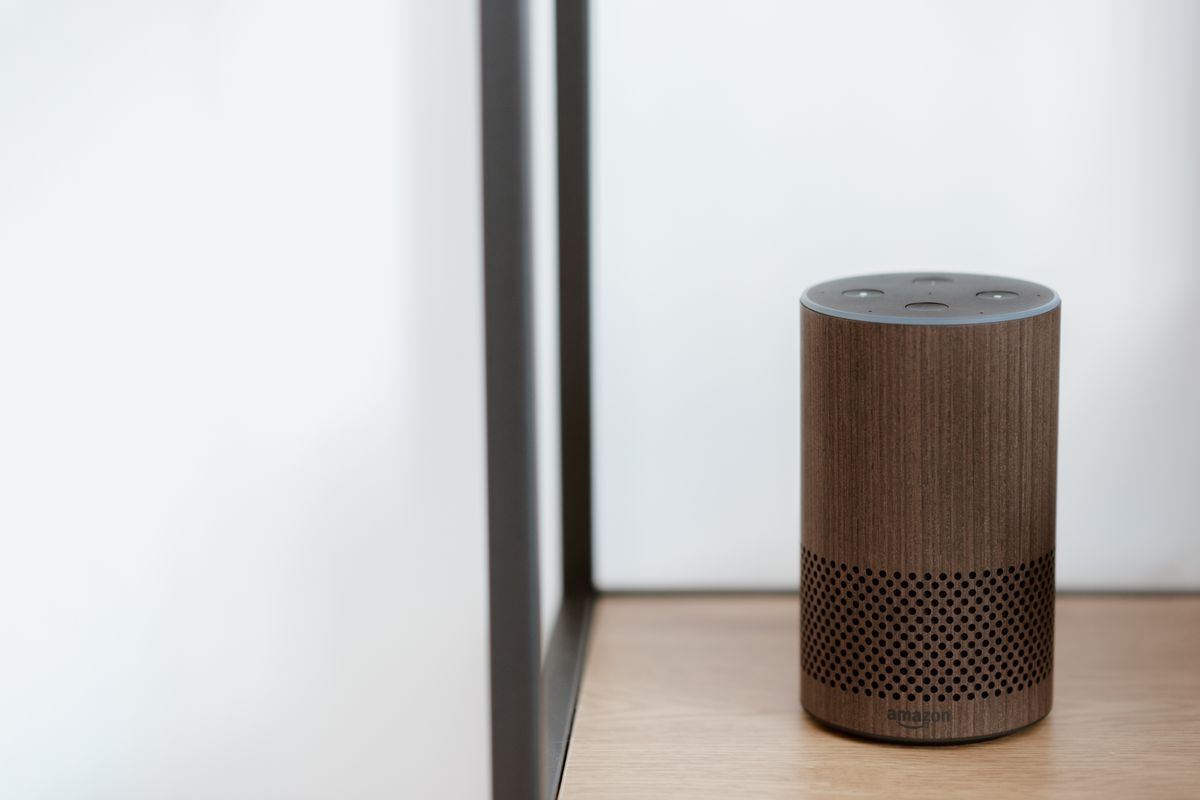
The UK government has just backed a major research push to find out whether everyday digital technology, from smart speakers to video doorbells, actually helps older and disabled people live more independently. The National Institute for Health and Care Research (NIHR) has awarded more than £5.4 million to nine research projects across England, Scotland, and Wales, each exploring how digital tools could transform social care in practical, measurable ways.
For the millions of UK homeowners weighing up home adaptations, whether that means a stairlift, a walk-in shower, or grab rails, this investment signals a shift in how the government thinks about supporting people at home. Physical adaptations remain essential, but digital technology is increasingly being recognised as a complementary layer of support that could make homes safer and more connected.
What the Research Will Explore
The nine funded projects, expected to run for 18 months to two years, cover a wide range of approaches. Several are directly relevant to people who want to remain in their own homes as they age or manage a disability.
One Cardiff University project will investigate whether low-cost smart home gadgets can help people living with dementia stay safely connected to friends and family. Another, also based at Cardiff, will evaluate how mainstream devices like Amazon Alexa speakers and video doorbells can give disabled adults more freedom and control in their own homes. Researchers at the University of Stirling will study how councils currently use smart devices to help older people leave hospital faster and stay safe once they return home.
Other projects will look at virtual reality communication training for carers of people with severe mental illness (King’s College London), using AI to improve social work practice (Cardiff University), and building practical toolkits to help care home staff feel more confident with digital technology (University of Glasgow).
Professor Martin Knapp, Director of the NIHR Research Programme for Social Care, described the funding as “really exciting” and said the projects “offer real hope for supporting independent living and autonomy.”
We do not sell or install stairlifts. Quotes go to UK suppliers.
If you buy a stairlift from a supplier we introduced you to, that supplier pays us a fee. Requesting quotes is free and we are not paid for the request itself. How we are funded
Free, no obligation • UK-based suppliers only
Why This Matters for Homeowners Considering Adaptations
If you or a family member are thinking about making changes to your home, this research is worth watching. Physical adaptations like stairlifts and level-access showers address specific mobility challenges, but smart home technology could fill gaps that physical changes alone cannot.
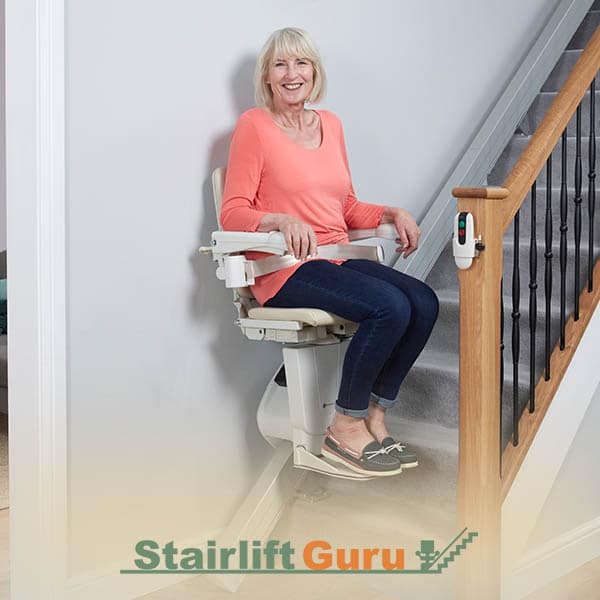
Consider a common scenario: an older person has a stairlift fitted and a walk-in shower installed, making the house physically accessible. But they still feel isolated, struggle to remember medication, or worry about what happens if they have a fall when nobody is around. Smart speakers can provide voice-activated reminders, video doorbells let them see who is at the door without getting up, and motion sensors can alert family members if daily routines change unexpectedly.
Ofcom estimates that half of all UK homes now have a smart speaker. The technology is already affordable and widely available, but there has been limited research on how well it actually works for older and disabled people in real-world care settings. That is exactly the gap this NIHR investment aims to close.
We do not sell or install stairlifts. Quotes go to UK suppliers.
If you buy a stairlift from a supplier we introduced you to, that supplier pays us a fee. Requesting quotes is free and we are not paid for the request itself. How we are funded
The Bigger Picture: Digital and Physical Working Together
This funding sits within the government’s broader “People at the Heart of Care” strategy, which aims to shift more care provision out of hospitals and into the community. The NIHR’s Scientific Director for Innovation, Professor Mike Lewis, said the investment is “aligned with the Government’s mission to move provision of care out of hospitals and into the community” and will help build evidence on how digital tools can “transform social care and improve lives.”
For local councils, who already administer the Disabled Facilities Grant for physical home adaptations, this research could eventually inform how they recommend and fund technology alongside traditional modifications. Some councils are already experimenting with “technology-enabled care” packages that combine physical adaptations with digital monitoring, but the evidence base has been thin until now.
The research also places particular emphasis on tackling inequalities in access. Not everyone is comfortable with digital technology, and older adults in particular may face barriers around confidence, connectivity, or cost. Several of the funded projects are specifically designed to understand these barriers and find ways to overcome them.
What You Can Do Now
While the research will take time to produce results, there are steps you can take today if you are interested in combining physical adaptations with digital support.
Start by requesting a home assessment through your local council. An occupational therapist can evaluate your needs and recommend a package of adaptations. While OT assessments traditionally focus on physical changes, many councils are beginning to consider technology-enabled solutions as part of their recommendations.
If you are already exploring stairlift options, ask your chosen provider whether their models include any smart features, such as remote diagnostics or usage alerts that can notify family members. Some modern stairlifts can send automatic service notifications, adding a small but useful layer of digital support.
For simple, affordable technology you can set up yourself, a smart speaker (typically £30 to £50) can serve as a voice-activated reminder system, hands-free phone, and home control hub. A video doorbell (typically £80 to £150) adds security without requiring you to get to the front door quickly.
The NIHR’s investment is a clear signal that the future of independent living at home will combine physical adaptations with digital technology. For now, the most important first step remains the same: get a proper assessment of your needs and explore what support is available, both through the Disabled Facilities Grant and through your local council’s broader care offering.
Choosing a stairlift: our six guides
Independent UK guides on every stage of the decision and the install.
- Is it time for a stairlift? , The decision before you start. Signs, conversations, and what to try first.
- Types of stairlift , Straight, curved, narrow, outdoor, heavy-duty, standing. Which one fits your home.
- Stairlift prices , What stairlifts actually cost in the UK. By type, with what changes the price.
- Stairlift grants and funding , Disabled Facilities Grant, NHS, charity, finance. Who pays for what.
- Buy, rent, or reconditioned , The three routes compared, with a decision flowchart.
- Living with a stairlift , Install, servicing, repair, batteries, sell, remove. The full lifecycle.
 ChatGPT