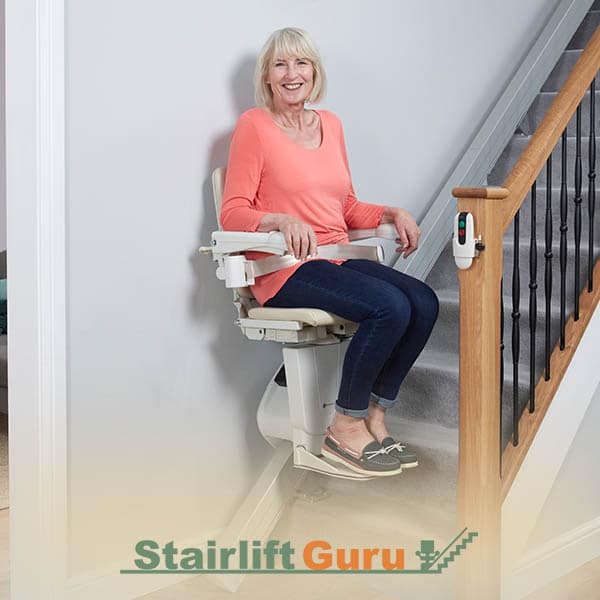
straight stairliftss are a popular solution for straight staircases, but they’re not the right choice for everyone. Depending on your mobility needs, staircase layout, budget, and long-term plans, there may be alternative options worth considering.
This page explains the most common alternatives to straight stairlifts and when each one might be a better fit.
Key Takeaways
- Straight stairlifts aren’t the only mobility solution
- Alternatives include curved stairliftss, standing stairliftss, home lifts, and home layout changes
- Each option suits different needs and staircases
- Safety, comfort, and future needs should guide your decision
- A professional assessment helps confirm the best option
The Short Answer: What Are Your Options?
If a straight stairlift isn’t suitable due to staircase shape, space, or personal needs you may want to consider:
- Curved stairlifts
- Standing or perch stairlifts
- Home lifts or platform lifts
- Rearranging living spaces to avoid stairs
Each option has its own advantages and limitations.
1. Curved Stairlifts
When This Is a Better Option
If your staircase has:
- Bends or turns
- Intermediate or half landings
- Changes in direction
A curved stairlift is usually required.
Pros
- Works on complex staircases
- Smooth travel around corners
Cons
- Higher cost
- Longer manufacturing time
2. Standing or Perch Stairlifts
What They Are
Standing (or perch) stairlifts allow users to stand or lean instead of sitting, which can be helpful on stairlifts for narrow stairss or for people who find sitting difficult.
When This Works
- Stairs are narrow
- Sitting causes discomfort
- Limited knee or hip flexibility
Pros
- Takes up less space
- Useful for tight staircases
Cons
- Not suitable for everyone
- Requires good balance and leg strength
3. Home Lifts (Residential or Platform Lifts)
What They Are
Home lifts move vertically between floors without using the stairs and can be used seated, standing, or in a wheelchair.
When This Works
- You need step-free access
- Wheelchair use is required
- Long-term mobility needs are expected
Pros
- Full accessibility
- Suitable for wheelchair users
Cons
- Higher cost
- Structural work often required
4. Rearranging Living Space
What This Involves
Instead of modifying the stairs, some people choose to:
- Move a bedroom downstairs
- Create a ground-floor bathroom
- Reduce the need to use stairs daily
Pros
- Avoids installing mobility equipment
- May be cost-effective in some homes
Cons
- Requires home modifications
- Not always practical
Straight Stairlift vs Alternatives: Quick Comparison
| Option | Best For | Cost | Space Impact |
|---|---|---|---|
| Straight stairlift | Straight stairs | Lower | Minimal |
| Curved stairlift | Bends & landings | Higher | Moderate |
| Standing stairlift | Narrow stairs | Medium | Low |
| Home lift | Wheelchair access | Highest | High |
| Layout changes | Avoiding stairs | Varies | None on stairs |
How to Choose the Right Alternative
Consider:
- Staircase layout
- Your ability to sit, stand, or transfer
- Budget and future mobility needs
- Space and disruption
A professional assessment helps compare realistic options for your home.
Get Clear Advice from Stairlift Guru
At Stairlift Guru, we help you understand all your options not just straight stairlifts. Our aim is to help you find the safest and most practical solution for your situation.
Explore the Best Option for You
If you’re unsure whether a straight stairlift is right or want to explore alternatives, getting expert advice is the best first step.
We’re here to help with no pressure.
If you’re considering other mobility solutions, our main guide to straight stairlifts explains how these lifts work and when they’re typically the simplest option for straight staircases.
You may also want to read straight vs curved stairlifts to understand when a curved system may be more suitable for stairs with turns or landings.
For help deciding whether a straight stairlift is still the right option, see are straight stairlifts right for you which looks at the home layouts and mobility needs that influence the decision.