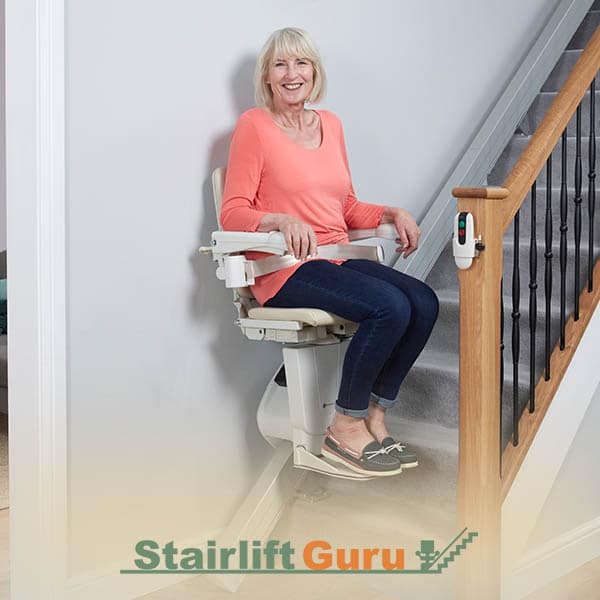
stairlift grantss can feel confusing, especially if you’re applying for the first time. This FAQ page answers the most common questions about stairlift grants in the UK, helping you understand what support may be available and how the process works.
What is a stairlift grant?
A stairlift grant is financial support usually provided by a local council to help cover the cost of installing a stairlift when it’s considered necessary for safety and independence. Most stairlift grants are offered through the Disabled Facilities Grant (DFG).
Who can apply for a stairlift grant?
You may be able to apply if:
- You have a disability or long-term mobility issue
- Stairs are unsafe or difficult to use
- You live in the property (owner or tenant)
- An assessment confirms the need
Eligibility is based on need, not age alone.
Are stairlift grants means-tested?
- Adults: Yes, grants are usually means-tested
- Children under 18: No, grants are not means-tested
A financial assessment helps determine whether you need to contribute.
How much funding can I get?
Maximum grant amounts are:
- England: Up to £30,000
- Wales: Up to £36,000
- Northern Ireland: Up to £25,000
The actual amount depends on your assessment and finances.
Can a stairlift grant cover the full cost?
Sometimes, yes. In other cases:
- Partial funding is offered
- You may need to pay the difference
- Additional support or charity funding may help
Councils will explain what’s covered.
Can grants be used for reconditioned stairlifts stairlifts?
Yes, in many cases. Councils may approve reconditioned stairlifts if they are:
- Safe and suitable
- Professionally refurbished
- Good value for money
Approval must be confirmed in writing.
Can tenants apply for stairlift grants?
Yes. Grants are available for:
- Private tenants
- Council tenants
- Housing association tenants
Landlord permission is usually required.
Do I need an occupational therapist assessment?
In most cases, yes. An occupational therapist (OT) assessment helps decide:
- Whether a stairlift is necessary
- What type is appropriate
The OT’s recommendation is key to approval.
How do I apply for a stairlift grant?
You usually apply through your local council by:
- Requesting a needs assessment
- Completing any financial assessment
- Waiting for approval
- Arranging installation after approval
Processes vary by council.
How long does the application process take?
It can take:
- Several weeks to several months
Timelines depend on:
- Assessment availability
- Council workload
- Complexity of the adaptation
Applying early helps.
Can I choose my stairlift brand?
Councils usually approve:
- The type of stairlift, not the brand
You may be able to pay privately for upgrades if allowed.
Can I start installation before approval?
No. Starting work before approval can:
- Void eligibility
- Result in no funding
Always wait for written confirmation.
Will I have to repay the grant?
In some cases, yes especially if:
- You sell the property within a set period
Repayment conditions vary by council and should be explained up front.
Can the NHS provide stairlift funding?
The NHS doesn’t usually fund stairlifts directly, but:
- NHS professionals can refer you for assessments
- Medical evidence can support grant applications
What if my grant application is refused?
If refused:
- Ask for a clear explanation
- Request a review or reassessment
- Explore charity or alternative funding
You should be told why a decision was made.
Are there other funding options besides council grants?
Yes. Other options include:
- Charities and local trusts
- Veterans and Armed Forces support
- Community foundations
- Personal contributions
Combining support is common.
Where can I get help understanding stairlifts grants?
At Stairlift Guru, we explain stairlift grants clearly and help you understand your options so you can make informed decisions without pressure.
If you’re looking for quick answers about funding, our complete stairlift grants guide walks through the support options and how they work — stairlift grants guide.
For insight into eligibility and who can apply, check out who qualifies for stairlift grants.
You might also find our how to apply for a stairlift grant article useful when planning your application.