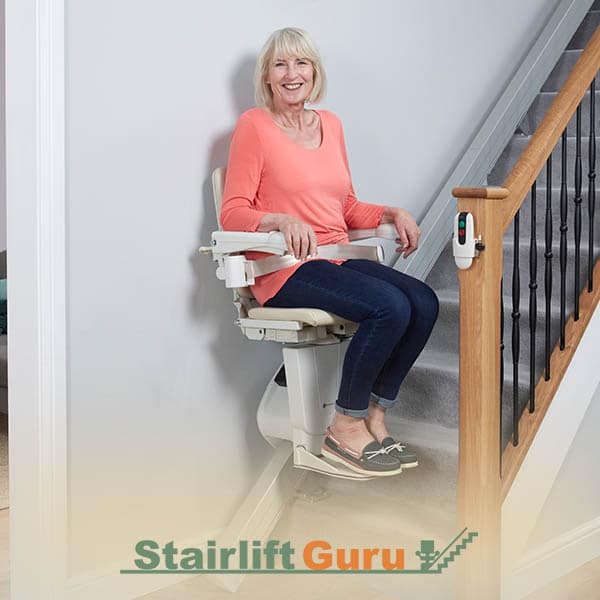
The NHS doesn’t usually fund stairlifts directly, but it plays an important role in assessments, referrals, and access to local support. NHS professionals can help identify mobility needs, refer you to the right services, and support applications for council funding or home adaptations.
This page explains how NHS support and referrals work when it comes to stairlifts and home accessibility.
Key Takeaways
- The NHS does not usually pay for stairlifts directly
- NHS professionals can refer you for assessments
- Referrals often lead to local council support or grants
- Medical evidence from the NHS can strengthen applications
- Support focuses on safety, independence, and wellbeing
The Short Answer: How Does the NHS Help?
The NHS helps by:
- Identifying mobility or safety issues
- Referring patients to occupational therapists (OTs)
- Supporting applications for local council funding
- Providing medical evidence where needed
The NHS works alongside local authorities rather than replacing them.
Can the NHS Pay for a Stairlift?
In most cases, no. The NHS does not usually fund stairlifts or home adaptations directly.
However, NHS involvement is often essential in:
- Assessing your needs
- Confirming medical necessity
- Referring you to council services that can provide funding
Who in the NHS Can Help?
GP (Doctor)
Your GP can:
- Record mobility or health issues
- Refer you to community services
- Support requests for OT assessments
A GP letter can be helpful evidence.
Physiotherapists
Physios may:
- Identify mobility or balance risks
- Recommend home safety adaptations
- Suggest referrals for further assessment
Occupational Therapists (NHS or Council-Linked)
OTs assess:
- How you manage daily activities
- Risks associated with stairs
- Whether adaptations like stairlifts are appropriate
OT recommendations are often required for grants.
Hospital Discharge Teams
If you’re leaving hospital:
- Staff may refer you to community OT services
- Temporary equipment or adaptations may be arranged
- Longer-term support may follow after discharge
This can speed up access to help.
How NHS Referrals Lead to Stairlift Support
A typical pathway looks like this:
- NHS professional identifies a problem (e.g. unsafe stairs)
- Referral to occupational therapy or social care
- Home assessment is arranged
- Recommendation is made for adaptations
- Local council funding (e.g. DFG) is explored
The NHS helps start and support the process.
What Evidence Can the NHS Provide?
NHS professionals may provide:
- Medical reports or letters
- Confirmation of long-term conditions
- Evidence of mobility decline or fall risk
This information can strengthen council or charity applications.
How to Request NHS Support
You can:
- Speak to your GP about difficulties with stairs
- Ask a hospital team before discharge
- Request referral to community OT services
- Explain concerns clearly and honestly
You’re asking for support, not equipment directly.
What the NHS Usually Doesn’t Do
The NHS typically does not:
❌ Choose stairlift brands
❌ Arrange private installation
❌ Fund ongoing servicing
❌ Override council funding decisions
Their role is advisory and supportive.
NHS Support vs Local Council Support
| NHS | Local Council |
|---|---|
| Medical assessment | Funding decisions |
| Referrals | Grant administration |
| Evidence & reports | Installation approval |
| Health focus | Housing adaptations |
Both often work together.
Tips for Using NHS Support Effectively
- Be clear about safety concerns
- Mention any falls or near-misses
- Explain how stairs affect daily life
- Ask about referrals, not funding
- Keep copies of letters and reports
Get Clear Guidance from Stairlift Guru
At Stairlift Guru, we explain how NHS support fits into the wider stairlift funding process, so you know who to speak to and what to expect.
If you’re unsure how to involve the NHS or what to ask for, understanding the pathway makes everything clearer.
We’re here to help with no pressure and no obligation.
If you’re considering NHS involvement in your stairlift funding journey, our full stairlift grants guide breaks down all the support options and how they work — stairlift grants guide.
For insight into eligibility and who can apply for funding, check out who qualifies for stairlift grants.
You might also find our occupational therapist assessments article useful if you’re exploring needs assessments as part of the referral process.