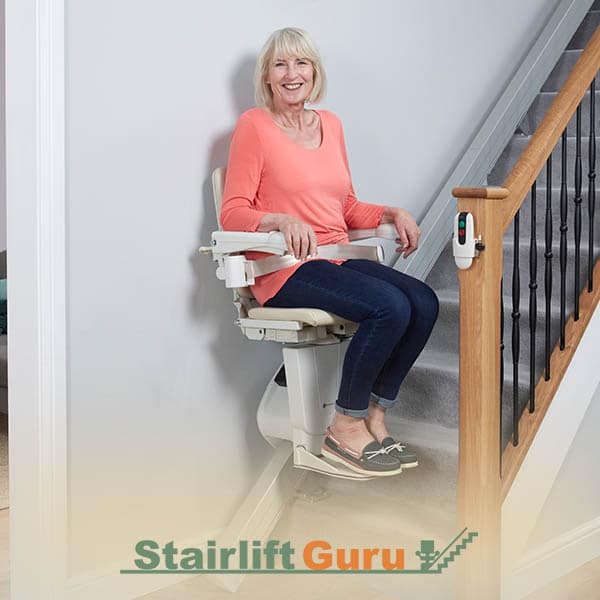
Struggling with stairs is one of the clearest signs that mobility is changing. For many people, this happens gradually pain increases, confidence drops, and everyday movement starts to feel risky.
This guide helps you recognise the early warning signs that you may need a stairlift, so you can act before a fall or serious injury occurs.
Quick Answers
You may need a stairlift if:
- Stairs cause pain, breathlessness, or fear
- You rely on bannisters, furniture, or other people
- You’ve had falls or near-misses
- A health condition affects balance or strength
Ignoring mobility issues can lead to serious injury, especially on stairs.
Financial support such as Disabled Facilities Grants (DFG) may be available if you qualify.
Recognising Mobility Issues Early
Stairs often become difficult long before people ask for help. Many adapt quietly climbing more slowly, avoiding trips upstairs, or feeling anxious about falls.
If stairs are affecting your:
- Confidence
- Safety
- Independence
- Daily routine
…it’s time to consider whether a stairlift could help.
Common signs you need a stairlift a Stairlift Installed
Struggling or Pausing on the Stairs
If you:
- Need to stop halfway
- Take stairs one step at a time
- Pull yourself up using the bannister
this usually indicates reduced strength, balance, or joint mobility.
Knee Pain Made Worse by Stairs
Knee pain, often caused by arthritis or joint degeneration, can make stairs one of the most painful daily activities.
A stairlift:
- Removes pressure from joints
- Reduces pain
- Lowers fall risk
Breathlessness When Climbing Stairs
If stairs leave you:
- Short of breath
- Dizzy
- Exhausted
A stairlift can help conserve energy and reduce strain on the heart and lungs.
Back Pain When Moving Around the Home
Lower back pain often worsens on stairs due to twisting and uneven weight distribution.
Using a stairlift:
- Keeps your spine supported
- Reduces strain
- Improves comfort and safety
Fear of Falling on the Stairs
Fear alone is a valid warning sign.
Falls on stairs are among the most common causes of serious injury at home, especially for older adults. A stairlift can significantly reduce this risk.
Shuffling, Crawling, or Sitting to Use Stairs
If you:
- Shuffle up steps
- Sit and move on your bottom
- Avoid stairs altogether
these are strong indicators that stairs are no longer safe.
Heavy Reliance on Bannisters or Handrails
Handrails are for balance, not for lifting body weight.
Relying heavily on them increases the risk of:
- Slips
- Shoulder and back injuries
- Sudden loss of grip
Temporary Reasons You May Need a Stairlift
Stairlifts aren’t only for long-term conditions.
You may need one temporarily if you:
- Have a broken leg or hip
- Are recovering from surgery
- Have short-term mobility restrictions
In these cases, stairlift rental can be a practical and cost-effective option.
When You Become Dependent on Others
Needing help to reach your bedroom or bathroom can affect:
- Mental wellbeing
- Privacy
- Confidence
A stairlift restores independence without needing to move home.
Conditions Commonly Linked to Stairlift Use
People often install stairlifts due to:
- Arthritis
- Back conditions
- Parkinson’s disease or MS
- Respiratory conditions
- Age-related muscle loss
An occupational therapist can assess your needs and recommend the most suitable option.
Safety Concerns Should Never Be Ignored
Delaying action can lead to:
- Falls
- Hospital stays
- Long recovery periods
- Loss of independence
Installing a stairlift before an accident happens is often the safest decision.
types of stairliftss Available
Depending on your needs, options include:
- Seated stairlifts
- standing stairliftss
- Perch seat stairlifts
- straight stairliftss
- curved stairliftss
A professional assessment ensures the right fit.
Financial Help & Grants
You may qualify for:
- Disabled Facilities Grant (DFG)
- Local council funding
- Charitable support
These can significantly reduce or even cover the cost.
Summary: Signs You Need a Stairlift
You should consider a stairlift if:
- Stairs cause pain, fear, or exhaustion
- You rely on others for daily movement
- You’ve had falls or near-misses
- Your mobility is declining
A stairlift isn’t about giving up, it’s about staying safe, independent, and at home.
If you’re noticing signs that a stairlift might help, our complete stairlift advice hub offers guidance on identifying needs and choosing the right solution — stairlift advice guide.
For insight into safety and everyday use, check out are stairlifts safe.
You might also find our stairlift benefits article helpful for understanding how stairlifts can improve quality of life.