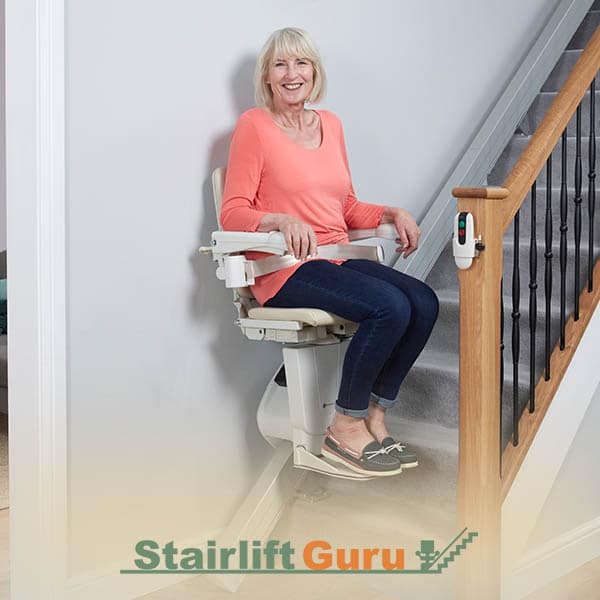
As society becomes more inclusive and the UK’s ageing population continues to grow, accessible design is no longer a niche consideration — it’s a necessity. Designing with accessibility in mind from the very beginning ensures homes are inclusive, adaptable, and capable of supporting people to live independently for longer.
For architects and homebuilders, this means thinking beyond minimum compliance and embracing design choices that actively support ageing in place, wellbeing, and long-term usability. Integrating mobility solutions such as stairlifts into new builds and renovations, and adapting existing homes to improve access, can significantly enhance both functionality and appeal.
New housing developments that anticipate changing mobility needs are not only future-ready but also attractive to a broader demographic — from older adults to families planning for the long term.
In this blog, we’ll explore why accessible design matters, the benefits it brings to individuals and communities, and practical ways homebuilders can create homes that are both functional and stylish.
Why Accessible Design Matters
Accessibility isn’t just about meeting building regulations. At its core, it’s about improving quality of life and ensuring homes continue to support people as their needs evolve.
Here’s why accessibility should be a priority for homebuilders:
Universal Appeal
Accessible design benefits everyone — older adults, people with disabilities, families with young children, and anyone recovering from injury or illness. It creates homes that work better for a diverse range of people, not just a single group.
Future-Proofing
Homes designed with accessibility in mind remain usable as occupants age or experience changes in mobility. This reduces the need for disruptive and costly retrofits later on.
Increased Property Value
As demand for accessible housing grows, homes with built-in accessibility features stand out in the market. Because many UK homes currently lack these features, accessible properties are often more desirable and command greater long-term value.
Integrating Stairlifts Into New Builds and Renovations
Stairlifts are a key component of accessible design in multi-storey homes. They allow residents with reduced mobility to move safely between floors, maintaining independence and full use of their home.
When planned correctly, stairlifts can be seamlessly integrated into both new builds and renovations.
1. Plan for stairlift installation Early
Designing staircases with stairlifts in mind makes installation simpler and more discreet.
- Ensure staircases are wide enough for both pedestrian use and a stairlift
- Avoid overly tight curves or awkward landings
- Include power access points near the top and bottom of the stairs
Early planning allows accessibility features to feel like a natural part of the home rather than an afterthought.
2. Embrace Discreet, Modern Design
Modern stairlifts — including reconditioned stairlifts options — are sleek, customisable, and designed to blend into contemporary homes.
Homebuilders can:
- Choose foldable seats and footrests to keep shared spaces clear
- Select neutral finishes that complement the home’s décor
- Install low-profile rail systems that sit close to the staircase
Thoughtful material choices, good lighting, and visual contrast can also support residents with visual impairments, improving safety and orientation throughout the home.
3. Prioritise Safety and Ease of Use
Stairlifts should always meet safety standards and be easy to operate for users with limited strength or dexterity.
Key features include:
- Seatbelts and obstruction sensors
- Smooth start-and-stop mechanisms
- Simple controls and remote operation
Additional home modifications, such as non-slip flooring or grab rails in high-risk areas like stairs and bathrooms, further reduce fall risk and improve confidence.
Key Accessibility Design Tips for Homebuilders
Beyond stairlifts, accessible homes rely on thoughtful design throughout the built environment. Applying accessibility standards consistently helps create homes that are adaptable, inclusive, and safe.
Entryways and Hallways
- Use level thresholds or ramps at entrances
- Design hallways at least 36 inches wide to accommodate mobility aids
Meeting accessibility requirements at entry points is essential, and housing providers play a vital role in setting higher standards across new developments.
Bathroom Modifications
- Install walk-in or roll-in showers with grab rails and seating
- Use lever-style taps and adjustable showerheads
Age-friendly bathroom design significantly reduces fall risk and supports independence for older adults and people with disabilities.
Kitchen Accessibility
- Lower countertops and sinks for seated use
- Install pull-out shelves and drawers for easier access
Consulting occupational therapists can help ensure kitchens meet real-world needs and support everyday tasks safely.
Smart Home Integration
- Voice-activated lighting, heating, and security systems
- Automated doors and window coverings
Assistive and smart technologies can reduce reliance on social care and enable people to manage their homes independently for longer.
Understanding the Disabled Facilities Grant (DFG)
The Disabled Facilities Grant (DFG) is a government-funded scheme designed to help disabled people live safely and independently at home. Administered by local authorities, it provides financial support for essential home adaptations.
The grant can cover modifications such as:
- Stairlifts and ramps
- Grab rails and widened doorways
- Bathroom and kitchen adaptations
Eligibility is assessed by local authorities based on individual needs. For homebuilders, understanding the DFG is valuable when advising clients on accessible housing options or designing homes that can be adapted easily in the future.
Aligning design choices with DFG criteria helps ensure compliance with local guidelines while making homes more inclusive and practical for residents.
Real-Life Examples of Accessible Design
Modern Accessible Home in a Suburban Development
A recent project featured a multi-storey home with pre-installed stairlift rails, widened doorways, and a ground-floor bedroom and bathroom. This approach appealed to older buyers while remaining attractive to young families planning ahead.
The wider development also included accessible shared spaces that encouraged independence and social interaction.
Luxury Apartment Development with Built-In Accessibility
A high-end apartment project incorporated universal design principles throughout, including step-free access, roll-in showers, lifts, and stairlifts in duplex units. These features attracted a diverse range of buyers and demonstrated how accessibility can complement, rather than compromise, premium design.
Final Thoughts
For architects and homebuilders, accessible design is both a responsibility and a significant opportunity. By integrating stairlifts and other mobility solutions into new builds and renovations, you can create homes that are inclusive, adaptable, and built for the future.
This approach not only meets growing demand but also enhances property value, broadens market appeal, and supports people to live independently for longer.
At Stairlift Guru, we help professionals understand who needs a stairlift and how to integrate mobility solutions seamlessly into residential projects. Get in touch to learn how stairlifts can support your next build — and help set a new standard in accessible home design.
If you’re planning accessible design from the ground up, our complete stairlift advice hub offers practical guidance on stairlifts and broader home adaptations — stairlift advice guide.
For insight into making interior spaces safer, check out fall prevention tips for the elderly.
You might also find our article on home renovations and accessibility pitfalls useful when thinking about inclusive design choices that go beyond what TV shows highlight.