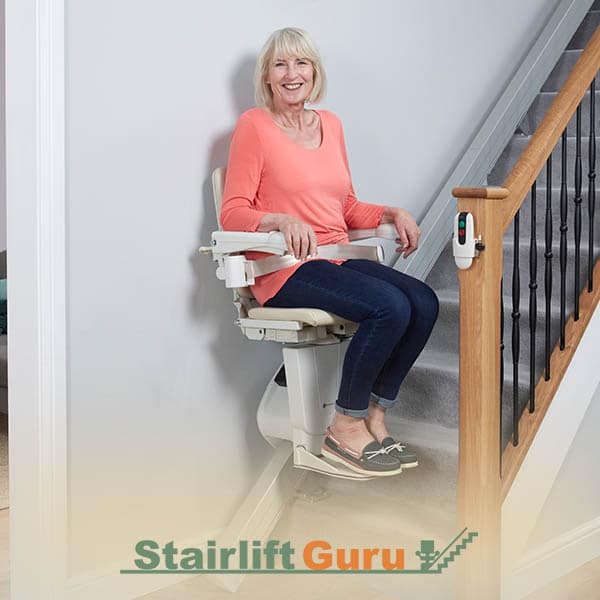
Talking to a parent about getting a stairlift can be emotionally difficult. For many people, a stairlift represents loss of independence, ageing, or change even when it would clearly make life safer and easier.
This page offers practical, compassionate guidance on helping parents accept a stairlift, while respecting their dignity and independence.
Key Takeaways
- Resistance is often emotional, not practical
- Independence and identity matter deeply
- Listening is as important as explaining
- Safety concerns should be raised gently
- The decision should feel like theirs
The Short Answer: Why Is Acceptance Difficult?
Many parents resist stairlifts because they:
- Don’t see themselves as “needing help”
- Fear loss of independence
- Worry about stigma or appearance
- Feel pressured by family
Understanding this helps guide the conversation.
Start With Listening, Not Persuasion
Before offering solutions:
- Ask how they feel about stairs
- Listen without correcting or minimising
- Acknowledge fears and concerns
Feeling heard builds trust.
Focus on Independence, Not Disability
Frame the stairlift as:
- A tool to stay independent
- A way to remain in their home
- Support for daily life, not a sign of decline
Language matters.
Talk About Safety Gently
Rather than alarming statements:
- Share observations calmly
- Focus on preventing falls
- Mention peace of mind for everyone
Avoid fear-based pressure.
Involve Them in the Decision
Parents are more likely to accept a stairlift if they:
- Help choose the model
- Attend assessments
- Ask their own questions
Control supports acceptance.
Address Common Concerns
“It will make the house look old”
Modern stairlifts:
- Are discreet
- Fold away neatly
- Can be removed later
“I don’t want to rely on it”
Reassure them:
- They can still use the stairs if they wish
- The stairlift is there when needed
“It’s too expensive”
Explain:
- Funding or rental options
- Long-term cost vs moving house
Avoid These Common Mistakes
❌ Rushing the decision
❌ Using scare tactics
❌ Talking over them
❌ Making it feel imposed
Patience matters.
Consider a Trial or Rental
A rental stairlift:
- Allows them to try it without commitment
- Reduces pressure
- Often leads to greater acceptance
Experience can change perceptions.
Get Support From Professionals
Sometimes it helps if advice comes from:
- An occupational therapist
- A GP or healthcare professional
- A stairlift assessor
Neutral voices can carry weight.
Supporting Emotional Adjustment
Remember:
- Acceptance can take time
- Emotions may shift gradually
- Reassurance should be ongoing
Progress isn’t always immediate.
When Safety Becomes Urgent
If falls are happening:
- Seek professional advice
- Focus on immediate safety
- Keep discussions calm and respectful
Safety and dignity can coexist.
Get Support From Stairlift Guru
At Stairlift Guru, we understand that stairlift decisions involve emotions as much as practicality. We help families navigate these conversations with clarity and compassion.
Having a Difficult Conversation?
If you’re struggling to help a parent accept a stairlift, understanding their perspective can make the conversation easier and more respectful.
We’re here to help with no pressure and no obligation.
If you’re navigating conversations about mobility solutions, our complete stairlift advice hub offers helpful guidance on many aspects of stairlift decisions — stairlift advice guide.
For tips on understanding what makes stairlifts safe and reliable, check out are stairlifts safe.
You may also find our stairlift benefits article useful for understanding the positive impact stairlifts can have on daily life.