As we get older, changes in strength, balance, and reaction time can make falls more likely. Even a minor fall can have serious consequences, including fractures, loss of confidence, and reduced independence.
If you feel unsteady, have fallen before, or are worried about falling, it’s important to speak with your GP or healthcare provider. They can assess underlying medical conditions, review medications, and recommend appropriate support.
Medical Factors That Increase Fall Risk
Several health-related factors can increase the likelihood of falling, including:
- Muscle weakness or fatigue
- Poor vision or hearing
- Balance disorders
- Dizziness or low blood pressure
- Side effects from medication
- Dehydration
Regular medical check-ups help identify and manage these risks early. A pharmacist can also advise on medication interactions or side effects that may affect balance.
The Importance of Strength and Balance
Maintaining strength and balance is one of the most effective ways to reduce fall risk.
Helpful activities include:
- Walking
- Strength and balance exercises
- Tai chi or gentle yoga
- Physiotherapy-led exercise plans
A physical or occupational therapist can create a personalised programme to improve stability, confidence, and mobility.
Making the Home Safer
Many falls happen at home, often due to avoidable hazards. Simple changes can make a big difference:
- Improve lighting, especially on stairs and in hallways
- Remove loose rugs and clutter
- Install handrails and grab bars where needed
- Ensure floors are non-slip
- Keep frequently used items within easy reach
Some local councils offer home safety assessments or support for older residents.
Footwear, Hydration, and Daily Habits
Wearing supportive, non-slip shoes is essential even indoors. Poor footwear is a common cause of falls. Staying hydrated is equally important, as dehydration can cause dizziness and lightheadedness. Limiting excessive caffeine and alcohol can also help reduce fall risk.
How Stairlifts Help Prevent Falls
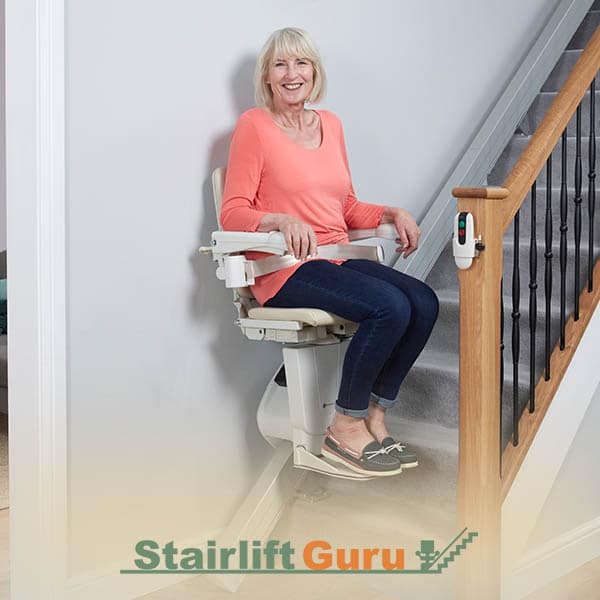
Stairs are one of the highest-risk areas for falls in older adults. A stairlift removes this risk entirely by allowing users to travel between floors while seated and supported.
Benefits of stairlifts include:
- Safe, controlled movement on stairs
- Reduced physical strain
- Increased confidence and independence
- Peace of mind for families
Stairlifts are suitable for many types of staircases and can often be installed quickly with minimal disruption.
Preventing Falls Among Older Adults in the UK
Falls are not an inevitable part of ageing, but the risk does increase over time. Conditions such as arthritis, Parkinson’s disease, diabetes, and vision problems can affect balance and coordination. Combined with environmental hazards like poor lighting or stairs, this increases the likelihood of accidents.
Stairlifts are widely used across the UK as a proven way to reduce stair-related falls and help people remain safely in their own homes.
Summary: Fall Prevention Tips
- Have regular vision and hearing checks
- Review medications with a GP or pharmacist
- Stay active to maintain strength and balance
- Wear supportive, non-slip footwear
- Keep your home well-lit and clutter-free
- Stay hydrated
- Address stair safety with solutions like stairlifts
Preventing falls is essential for maintaining independence and quality of life. While no single solution works for everyone, combining medical care, exercise, home safety measures, and mobility aids can significantly reduce risk.
Stairlifts play a vital role in fall prevention by removing one of the most dangerous obstacles in the home the stairs.
If you’re focused on safety at home, our complete stairlift advice hub offers a wide range of guidance on preventing falls and staying independent — stairlift advice guide.
For insight into what makes stairlifts safe and reliable, check out are stairlifts safe.
You might also find our what to do if your stairlift breaks down article useful for handling unexpected issues with confidence.