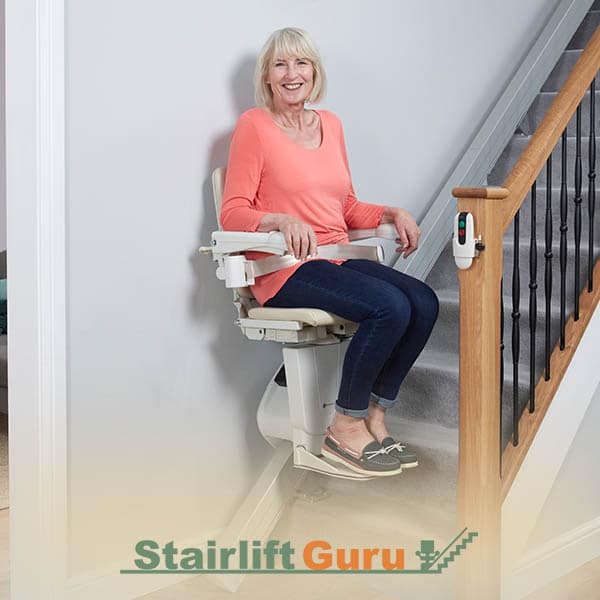
Yes most reconditioned stairlifts stairlifts in the UK come with some form of stairlift warranty.
However, warranties for reconditioned units are usually shorter and more limited than those for brand-new stairlifts. The exact coverage depends on the provider, refurbishment quality, and whether installation and stairlift servicing are included. But this is all down to who you buy it from.
A warranty provides buyers with assurance that key components and safety systems are covered if issues arise after installation.
Key Takeaways
- Reconditioned stairlifts commonly include a warranty
- Coverage is typically shorter than new stairlift warranties
- Warranties vary by provider—read the fine print
- Some warranties cover parts and labour; others cover only parts
- Extended warranty or service plans may be available
Why Warranties Matter for Reconditioned Stairlifts
A warranty provides peace of mind by offering protection against unexpected faults or failures, especially in refurbished units.
Because reconditioned stairlifts have already been used, warranty coverage can:
- Encourage confidence in the product
- Ensure safety systems function as expected
- Reduce repair costs during early years of use
Without a warranty, buyers may be liable for all repair costs, which can be expensive for mechanical or electrical parts.
Typical Warranty Coverage
While terms vary, many reconditioned stairlift warranties include:
1. Parts Only
This covers the replacement of specific components that fail typically motors, sensors, or controllers.
2. Parts + Labour
More comprehensive plans cover both parts and the engineer’s time to fix faults.
3. Limited Time
Common warranty periods include:
- 3–6 months (typical base warranty)
- 12 months (extended coverage on higher-quality reconditioned units)
- Optional extended plans (available at extra cost)
Always check exactly what is covered and for how long.
How Warranties for Reconditioned Stairlifts Compare to New Ones
| Warranty Type | Typical Duration | What It Covers |
|---|---|---|
| New Stairlift Warranty | 12–36 months | Parts + Labour |
| Reconditioned Stairlift Warranty | 3–12 months | Often parts; sometimes labour |
| Extended Warranty Plans | Add-on options | Varies by provider |
New stairlifts generally offer longer coverage because all components are brand new and backed by manufacturer support.
What to Ask Before You Buy
Before agreeing to a reconditioned stairlift, check:
- Length of warranty — How many months or years?
- What’s covered — Parts only? Labour included?
- Exclusions — Batteries, cosmetic wear, misuse?
- Who services the warranty — Supplier or third party?
- Response times — How quickly will repairs be arranged?
A clear, written warranty helps avoid surprises later.
Do Warranties Include Batteries?
Not always.
Batteries are a wearable component and may be covered only for a short period (e.g., 3–6 months) or not at all.
For outdoor stairliftss and heavy use, confirm whether:
- The battery is new
- Battery replacement is included
- Additional cost applies
Because battery performance directly affects reliability, warranty clarity here is important.
Extended Warranties and Service Plans
Many stairlift providers offer extended warranty options, including:
- Annual service contracts
- Longer parts + labour coverage
- Priority call-out support
These plans give extra reassurance and often reduce long-term stairlift maintenance costs.
Final Verdict: Do Reconditioned Stairlifts Come With a Warranty?
Yes, most reconditioned stairlifts in the UK come with a warranty, but the terms are typically shorter and more limited than those for new stairlifts.
Reviewing what’s included and considering extended coverage helps protect your investment and ensures ongoing safety and reliability.
If you’re wondering about warranty coverage, our full reconditioned stairlifts guide explains what to consider before choosing a refurbished model — reconditioned stairlifts guide.
For insight into how refurbished units compare with new ones, check out reconditioned vs new stairlifts.
You might also find our article on are reconditioned stairlifts safe to use helpful if safety and reliability are priorities.