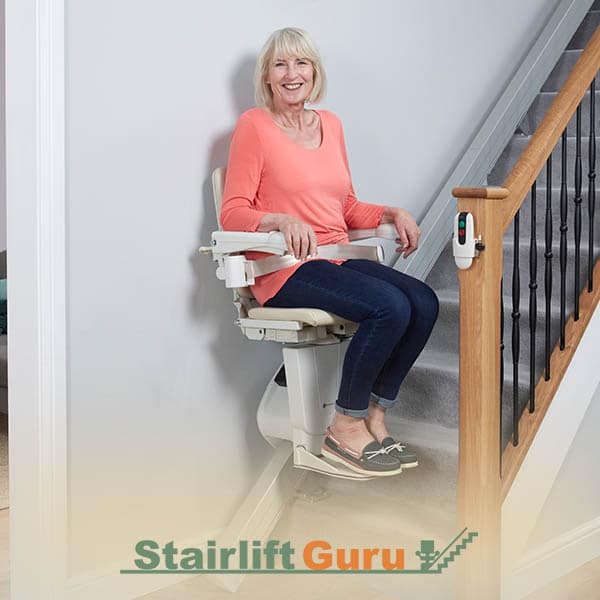
reconditioned stairlifts stairlifts are generally safe and reliable, but like any used equipment, they can develop issues over time.
Most problems are minor, predictable, and easy to fix, especially when the stairlift has been properly refurbished and is regularly serviced.
This guide explains the most common problems with reconditioned stairlifts and how they’re usually resolved.
Key Takeaways
- Most issues with reconditioned stairlifts are minor
- Battery and charging problems are the most common
- Poor refurbishment increases risk of faults
- Regular stairlift servicing prevents most issues
- Professional installation is essential
1. Battery Performance Issues
Why it happens:
Batteries degrade naturally over time and may not always be brand new in reconditioned units.
Common signs:
- Stairlift slows down
- Stops partway along the rail
- Needs frequent recharging
How it’s fixed:
- Battery testing
- Battery replacement (usually every 3–5 years)
This is the most common and easiest problem to resolve.
2. Charging Point Problems
Why it happens:
- Worn charging contacts
- Stairlift not parked correctly
- Electrical connectors ageing
Common signs:
- Warning beeps or lights
- Stairlift not charging overnight
How it’s fixed:
- Cleaning or replacing charging contacts
- Adjusting parking position
3. Increased Noise or Vibration
Why it happens:
- Worn rollers or bearings
- Rail alignment issues
- Lack of lubrication
Common signs:
- Grinding or rattling sounds
- Vibration during travel
How it’s fixed:
- Component replacement
- Rail realignment
- Professional servicing
4. Control or Remote Issues
Why it happens:
- Worn buttons or switches
- Low battery power
- Electrical wear
Common signs:
- Controls not responding
- Intermittent operation
How it’s fixed:
- Control replacement
- Electrical inspection
5. Safety Sensor Faults
Why it happens:
- Sensor misalignment
- Dirt or debris interference
- Electrical wear
Common signs:
- Stairlift stops unexpectedly
- Won’t start even when clear
How it’s fixed:
- Cleaning and realignment
- Sensor replacement
Safety sensors should always be checked promptly.
6. Rail Wear or Fit Issues
Why it happens:
- Rail reused from previous installation
- Minor mismatches in staircase dimensions
Common signs:
- Uneven movement
- Increased noise
How it’s fixed:
- Rail adjustment or replacement
- Re-fitting by a professional
This is why surveys are essential before installation.
7. Cosmetic Wear
Why it happens:
- Previous use
- Exposure to sunlight or handling
Common signs:
- Scratches or fading
- Worn upholstery
How it’s fixed:
- Cosmetic refurbishment or part replacement
Cosmetic wear does not usually affect safety.
How to Reduce the Risk of Problems
Most problems are preventable by:
- Buying from a reputable supplier
- Ensuring professional refurbishment and testing
- Scheduling annual servicing
- Replacing batteries when recommended
Avoid privately sold stairlifts with no inspection or stairlift warranty.
When Should You Be Concerned?
Contact a professional if:
- The stairlift stops frequently
- There are electrical or charging issues
- Safety sensors malfunction
- Movement becomes uneven or jerky
Early action prevents larger problems.
Final Verdict: Common Problems With Reconditioned Stairlifts
Reconditioned stairlifts can experience issues, but most are minor, predictable, and easily fixed.
With proper refurbishment, professional installation, and regular servicing, reconditioned stairlifts remain a reliable and cost-effective mobility solution.
If you’re curious about issues you might encounter with refurbished units, our full reconditioned stairlifts guide walks through what to consider before choosing a model — reconditioned stairlifts guide.
For insight into how refurbished versions stack up against brand new systems, check out reconditioned vs new stairlifts.
You might also find our article on are reconditioned stairlifts inspected and tested helpful if quality checks are important to you.