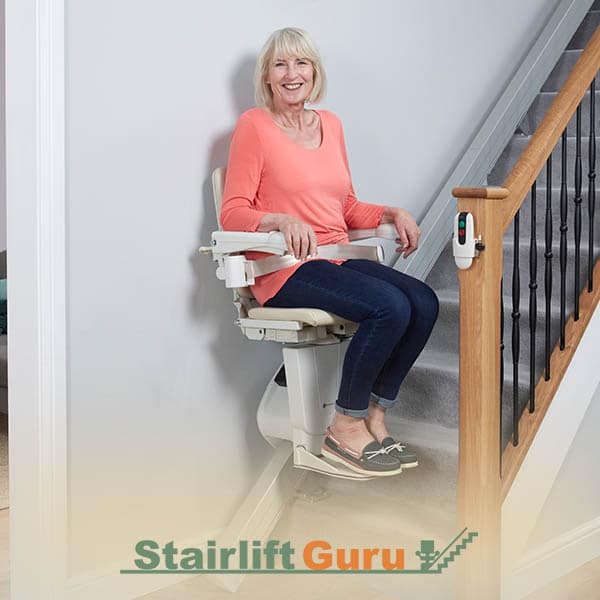
Yes reputable suppliers thoroughly inspect and test reconditioned stairlifts stairlifts before they are resold.
Inspection and testing are the key differences between a properly reconditioned stairlift and a privately sold second-hand unit.
Safety, reliability, and compliance depend on how rigorous this process is.
Key Takeaways
- Reconditioned stairlifts are inspected before resale
- Safety and mechanical tests are essential
- Batteries and worn parts are usually replaced
- Testing confirms smooth and safe operation
- Quality depends on the supplier’s refurbishment process
What Does the Inspection Process Involve?
A professional inspection checks all safety-critical components, including:
- Motor and drive system
- Rail condition and fixings
- Electrical wiring and connectors
- Seat, belt, and folding mechanisms
- Safety sensors and controls
Any component that fails inspection is repaired or replaced before testing begins.
What Tests Are Carried Out?
Once inspected, the stairlift is tested to ensure it performs safely and reliably.
Typical tests include:
- Operational testing along the full rail
- Load testing to confirm weight capacity
- Safety sensor testing to ensure automatic stopping
- Battery and charging tests
- Emergency stop and control checks
Only stairlifts that pass all tests are approved for reuse.
Are Batteries Always Replaced?
Often, yes.
Batteries are one of the most common replacement parts because:
- They degrade over time
- Reliable battery performance is critical for safety
- outdoor stairliftss rely on battery power
If batteries are not replaced, they should be fully tested and confirmed to be in good condition.
Are Reconditioned Outdoor Stairlifts Tested Differently?
Yes outdoor models require additional checks.
These include:
- Inspecting weather seals and protective coatings
- Checking for corrosion or moisture damage
- Testing controls and charging points exposed to weather
Outdoor stairlifts must meet the same safety standards as new installations.
Who Carries Out the Inspection and Testing?
Inspection and testing should be carried out by:
- Trained stairlift engineers
- Reputable suppliers or installers
- Companies offering warranties or service support
Avoid stairlifts sold privately with no evidence of professional testing.
How Can You Confirm a Stairlift Has Been Tested?
Before purchase or installation, ask:
- What inspections were carried out
- Which parts were replaced
- Whether load and safety tests were completed
- What stairlift warranty or service cover is included
Reputable providers are transparent about their testing process.
Does Inspection Guarantee Long-Term Reliability?
Inspection and testing ensure initial safety and performance, but ongoing reliability depends on:
- Regular stairlift servicing
- Proper use
- Environmental exposure (especially outdoors)
Annual servicing is still recommended.
Final Verdict: Are Reconditioned Stairlifts Inspected and Tested?
Yes properly reconditioned stairlifts are fully inspected and tested before reuse.
This process ensures they are safe, reliable, and fit for purpose, provided refurbishment is carried out by experienced professionals.
Inspection and testing are what make reconditioned stairlifts a safe alternative to buying new.
If you’re curious about the quality checks behind reconditioned units, our full reconditioned stairlifts guide explains what goes into restoring and inspecting these systems — reconditioned stairlifts guide.
For insight into how refurbished models compare with new ones, check out reconditioned vs new stairlifts.
You might also find our article on are reconditioned stairlifts safe to use helpful if safety is a key priority.