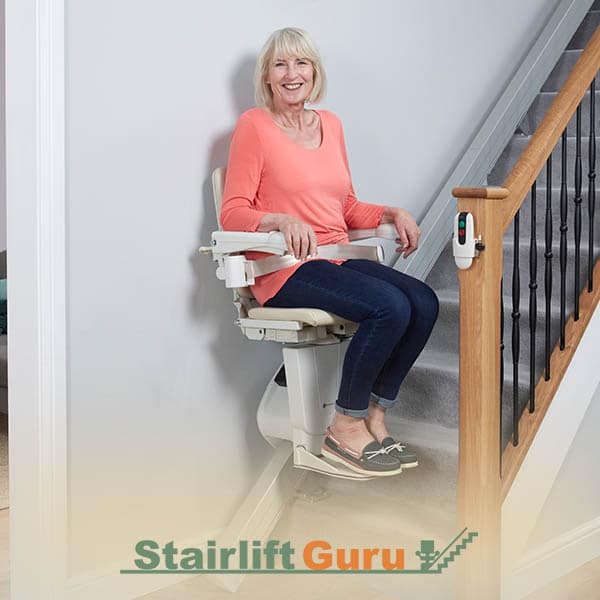
Yes, heavy duty stairlifts stairlifts are safe for daily use when installed, maintained, and inspected by professionals.
They’re designed with reinforced components and tested safety systems specifically for regular, long-term operation by users who require higher weight capacities or larger seating.
As with all stairlifts, safety and reliability depend on proper installation, regular stairlift servicing, and selecting a model suited to the user and staircase.
TL;DR:
Yes, heavy-duty stairlifts are safe for daily use when they’re professionally installed, correctly matched to the user and staircase, and regularly serviced. They’re built with reinforced frames, stronger motors, and tested safety systems to handle frequent, long-term use reliably.
What Makes Heavy-Duty Stairlifts Suitable for Daily Use?
Heavy-duty stairlifts are built with features that make them robust and dependable for frequent use:
Reinforced Structures
Heavy-duty frames and rails are stronger than standard models and are built to handle repeated, higher loads without fatigue.
Stronger Motors
Motors are specified for continuous or heavy, frequent use, with better thermal handling and torque.
Durable Components
Larger bearings, industrial-grade fixings, and reinforced seats reduce wear and improve long-term reliability.
Safety Mechanisms
These lifts generally include all standard safety systems:
- Obstruction sensors
- Automatic braking systems
- Seat belts
- Smooth start/stop controls
These features ensure each ride is safe, predictable, and consistent.
Are Heavy-Duty Stairlifts Safe to Use Every Day?
Yes, if the stairlift is correctly specified and installed.
Heavy-duty stairlifts are designed for frequent use and are tested through multiple cycles to simulate daily operation. This makes them reliable for users who may ride the lift multiple times a day.
What Safety Features Do They Include?
Heavy-duty stairlifts include built-in safety features similar to standard models, such as:
- Obstruction detection — stops the lift if something blocks the path
- Battery backup systems — allow continued operation during power interruptions
- Seat belts — reduce the risk of slips or falls
- Emergency stop switches — let users halt movement immediately
- Smooth acceleration and deceleration — for safe comfort
These systems are engineered to operate reliably in everyday use.
How Does Installation Impact Safety?
Professional installation is essential because:
- Correct rail alignment prevents falls or derailments
- Secure fixings handle repeated loading
- Power and battery systems are set up correctly
- Safety sensors are calibrated precisely
Incorrect installation increases the risk of mechanical wear or unsafe movements, even on heavy-duty models.
Does Daily Use Increase Wear?
Any mechanical system experiences wear over time, but heavy-duty stairlifts are designed to withstand it.
How wear is managed:
- Components are more robust
- Regular servicing catches early wear before it becomes a problem
- Batteries and consumables are replaced on schedule
Routine stairlift maintenance is the best way to preserve safety over the years of daily use.
What Role Does Servicing Play?
Regular professional servicing keeps a heavy-duty stairlift safe for everyday use.
Servicing typically involves:
- Cleaning and lubricating moving parts
- Checking safety sensors
- Testing battery health
- Inspecting motors, gears, and rails
Most manufacturers recommend at least annual servicing, increasing to every 6 months for high-frequency use.
Are Heavy-Duty Stairlifts Safe in All Conditions?
Yes, when properly maintained.
Heavy-duty stairlifts are tested to operate safely across a range of conditions, including:
- Frequent starts and stops
- Multiple users per day
- Changeable temperatures inside the home
Outdoor use on exposed staircases requires weather-rated units and specific installation practices.
Final Verdict: Are Heavy-Duty Stairlifts Safe for Daily Use?
Yes, heavy-duty stairlifts are safe and reliable for daily use when installed and maintained correctly.
Their reinforced design, engineered safety systems, and professional installation make them suitable for frequent use over many years.
Regular servicing and prompt attention to any issues ensure safety remains high even with everyday operation.
If you’re thinking about reliability and day-to-day performance, our full heavy duty stairlifts guide walks through what makes these stairlifts suitable for frequent use — check it out here: heavy duty stairlifts guide.
To compare safety and usability across different models, take a look at heavy duty stairlifts vs standard stairlifts — it’s helpful for seeing how features and build quality differ.
You might also find our article on seat size and comfort on heavy duty stairlifts useful if comfort during frequent use is a priority.