Standing stairlifts are a good option for people who can stand but struggle to sit; however, they’re not suitable for everyone.
If balance, fatigue, stair layout, or long-term mobility needs make a standing stairlift impractical, there are several effective alternatives that can provide safe access between floors.
This guide explains the main alternatives to standing stairlifts and when each one is a better choice.
TL;DR:
Standing stairlifts don’t suit everyone, especially if balance, fatigue, or long-term mobility are concerns. Safer alternatives include seated stairlifts (most common), slimline models for narrow stairs, platform or vertical lifts for wheelchair users, and home adaptations. The right choice depends on mobility, staircase layout, and future needs, with a professional assessment being key.
1. Seated Stairlifts
Best for: Users who need full support while travelling.
Why they’re a strong alternative:
- Provide full body support
- Suitable for users with poor balance or fatigue
- Safer for long-term or progressive mobility conditions
When to choose one:
- Standing feels unsafe or tiring
- Balance has declined
- Daily use is frequent
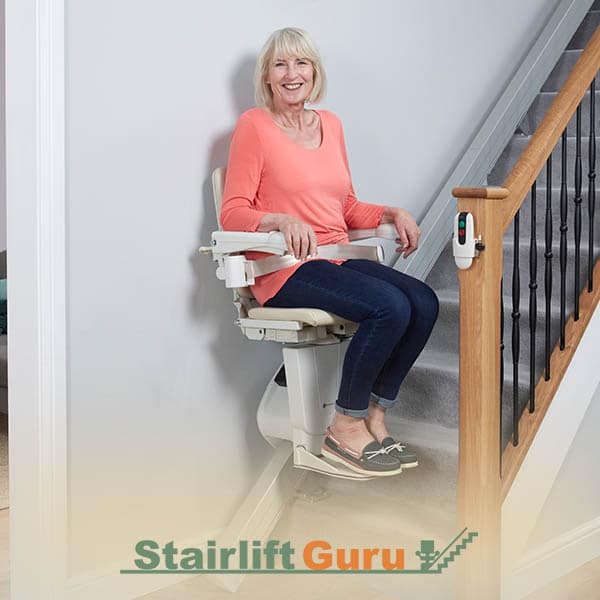
Seated stairlifts are the safest option for most people.
2. Slimline Stairlifts
Best for: Narrow staircases where space is limited.
Why they’re useful:
- Narrower seats and compact rails
- Fold away neatly
- Often fit where standard seated models won’t
When to choose one:
- Stair width is limited
- User can sit comfortably
- Standing stairlifts feel unstable
Slimline models balance space-saving with seated support.
3. Heavy-Duty Stairlifts
Best for: Larger users who need extra space and support.
Why they’re an alternative:
- Wider, stronger seats
- Higher weight capacity
- Greater stability
When to choose one:
- Standard or standing models feel too small
- Comfort and strength are priorities
Note: These usually require wider staircases.
4. Inclined Platform Lifts
Best for: Wheelchair users or people who cannot transfer safely.
Why they’re useful:
- Travel up the stairs on a platform
- No need to stand or sit
- Suitable for some narrow staircases
Considerations:
- Require more stair width than seated lifts
- More expensive than stairlifts
5. Vertical Through-Floor Lifts
Best for: Users needing step-free access between floors.
Why they’re an alternative:
- Do not use the stairs at all
- Suitable for wheelchair users
- Compact footprint
When to choose one:
- Standing and seated stairlifts are unsuitable
- Long-term accessibility is needed
These are often chosen for future-proofing a home.
6. Step Lifts
Best for: Short rises of one to a few steps.
Why they’re useful:
- Compact and simple
- Less intrusive than stairlifts
- Good for internal level changes
Not suitable for full staircases.
7. Home Modifications
Best for: Improving safety without mechanical lifts.
Options include:
- Additional handrails
- Stair redesign or widening
- Improved lighting and step surfaces
These are often used alongside or instead of stairlifts.
How to Choose the Right Alternative
Key factors include:
- Ability to stand, sit, or transfer safely
- Balance and fatigue levels
- Staircase width and layout
- Budget and long-term needs
A professional mobility assessment ensures the safest choice.
When Standing Stairlifts Are Not the Best Option
You should consider alternatives if:
- Balance is poor
- Standing feels unsafe
- Fatigue is an issue
- Mobility is expected to decline
- Staircase layout limits safety
In these cases, seated or platform-based solutions are usually safer.
Final Verdict: Alternatives to Standing Stairlifts
Standing stairlifts are not the only solution for difficult staircases or mobility needs.
Seated stairlifts, slimline models, platform lifts, vertical lifts, and home modifications can all provide safer, more suitable alternatives depending on the user and the home.
A professional assessment is essential to identify the best and safest option.