The UK’s population is ageing faster than ever. People are living longer, healthier lives, but many homes were never designed to support mobility as needs change.
As the number of older adults rises, so does the importance of practical home adaptations that allow people to stay safe, independent, and comfortable in the homes they love.
TL;DR:
The UK’s ageing population wants to stay in their own homes, but stairs are a major barrier in many houses. Simple home adaptations, especially stairlifts, help reduce falls, maintain independence, and ease pressure on families and healthcare, making them an increasingly important solution for ageing safely at home.
How the UK Population Is Changing
The UK has seen a steady rise in the number of older adults over the past few decades, driven by longer life expectancy and lower birth rates. This shift is reshaping everything from healthcare to housing.
Key trends include:
- A growing number of people aged 65 and over
- More adults are living independently into their 80s and 90s
- Increased demand for age-friendly housing solutions
While people are living longer, many homes still rely heavily on stairs, creating challenges as mobility changes.
Why Ageing in Place Matters More Than Ever
Most older adults in the UK want to remain in their own homes for as long as possible. Familiar surroundings, community connections, and independence all play a major role in well-being.
Ageing in place:
- Supports mental and emotional health
- Reduces pressure on care homes and hospitals
- Allows people to maintain routines and autonomy
However, stairs often become the main obstacle to staying put.
The majority of UK homes are multi-storey, with bedrooms and bathrooms located upstairs. As balance, strength, or joint health changes, stairs can quickly become a safety risk.
Common concerns include:
- Increased risk of falls
- Avoiding parts of the home altogether
- Sleeping downstairs due to a lack of access
- Loss of confidence when home alone
Without support, stairs can quietly limit independence.
The Role of Home Adaptations
Home adaptations are becoming an essential part of supporting an ageing population. These changes don’t need to be disruptive — many are simple, effective, and tailored to individual needs.
Examples include:
- Handrails and grab rails
- Improved lighting
- Walk-in showers
- Stairlifts
Among these, stairlifts offer one of the most immediate and impactful solutions for multi-storey homes.
How Stairlifts Support an Ageing Population
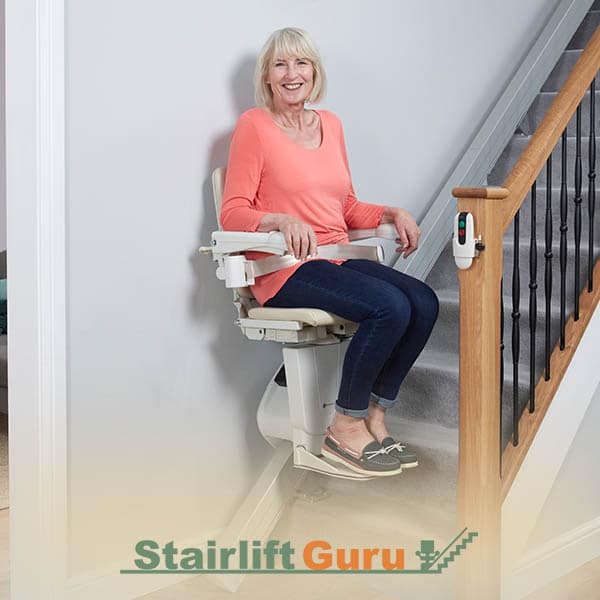
Stairlifts allow people to continue using every level of their home safely and comfortably, without needing major structural changes.
They help by:
- Reducing fall risk on stairs
- Supporting tired or painful joints
- Restoring confidence and independence
- Allowing people to stay in familiar homes longer
For many families, a stairlift becomes a practical alternative to moving or downsizing.
Reducing Pressure on Families and Healthcare
When older adults can move safely at home, it benefits more than just the individual. Families experience less worry, and the wider healthcare system faces fewer fall-related injuries.
The benefits include:
- Fewer emergency hospital visits
- Reduced need for daily assistance
- Peace of mind for loved ones
- Lower long-term care costs
Small changes at home can have a big impact at a national level.
Looking Ahead: Planning for an Older UK
The UK’s ageing population isn’t a short-term trend, it’s a long-term reality. Planning ahead, both at a personal and societal level, is key.
Homes that adapt alongside their occupants help ensure:
- Safer living environments
- Longer independence
- Better quality of life in later years
Stairlifts are becoming less of a specialist product and more of a standard mobility solution for modern UK homes.
Final Thoughts
As the UK population continues to age, the conversation must shift from reaction to preparation. Supporting independence at home isn’t just about age, it’s about dignity, safety, and choice.
With the right adaptations in place, people can continue living life on their own terms, in the homes they know best.