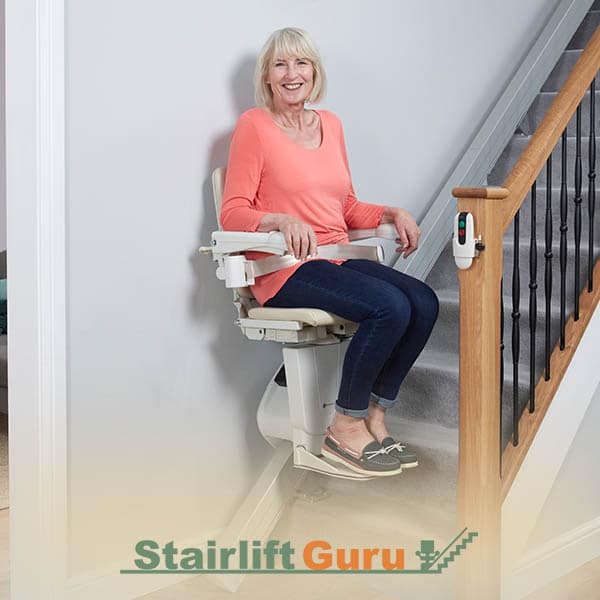
As we move into a more technologically advanced and sustainability-conscious world, the mobility solutions we rely on are evolving quickly. For millions of people, stairs remain one of the biggest barriers to living comfortably at home and stairlifts, once seen as a simple mechanical aid, are likely to look very different by 2050.
Future stairlifts won’t just help people move between floors. They’re expected to become smarter, greener, safer, and more seamlessly integrated into home life, improving both accessibility and everyday independence. The next generation of stairlifts will also focus on robust build quality designed for durability, reliability, and long-term peace of mind.
This article explores what stairlifts could look like in 2050, from AI-assisted features to eco-friendly power systems and design-led upgrades.
The Direction of Travel: From Practical Aid to Smart Home Mobility
Today’s stairlifts already include impressive features: obstacle sensors, smooth start/stop movement, swivel seats, and battery backup systems. By 2050, the biggest change won’t be that stairlifts exist it’s that they’ll feel less like specialist equipment and more like a normal part of a modern home, much like smart heating or automated lighting.
Expect future stairlifts to focus on:
- Personalised user experience
- Better accessibility for more mobility needs
- Lower energy consumption
- Enhanced safety and security
- Sleeker, less intrusive design
1. AI-Powered Stairlifts: Mobility That Adapts to the User
By 2050, AI is likely to play a major role in how stairlifts operate. Rather than relying solely on manual controls, stairlifts could learn user preferences and respond to mobility needs in real time.
What AI could enable
Adaptive movement: The lift can automatically adjust speed, start/stop sensitivity, and seat positioning based on the user’s steadiness that day. If someone seems tired or unsteady, the system may slow down and prioritise smoother movement.
User recognition: Stairlifts can identify the user and load personalised settings such as preferred speed, seat height, and swivel behaviour without requiring adjustments each time.
Predictive maintenance: Sensors and AI can detect early warning signs of wear and automatically flag issues before breakdowns, reducing emergency call-outs and downtime.
And importantly, future stairlifts will still need to be simple to use, with intuitive controls that work well for people with limited dexterity.
2. Smart Home Integration as Standard
By 2050, it’s likely that stairlifts won’t be standalone devices. Instead, they’ll operate as part of a connected home system improving both convenience and safety.
Likely smart home features
Voice control: Users may be able to call the stairlift, send it to a floor, or stop it instantly using voice commands ideal for people with limited strength or dexterity.
Automation with lighting: The stairlift could trigger stairwell lights automatically when someone approaches the stairs, reducing trip hazards.
Connected safety monitoring: Sensors (like obstruction detection) could send alerts to a phone or caregiver system if something unusual occurs for example, repeated stops, battery issues, or a user struggling to transfer safely.
3. Sustainable and Energy-Efficient Stairlifts
Sustainability is likely to become a core design priority by 2050. Stairlifts already use rechargeable battery systems, but future models could go further.
What “greener stairlifts” may include
Lithium-ion batteries: Longer life, faster charging, better reliability, and potentially lower lifetime environmental impact than older battery systems.
Ultra-efficient motors: Quieter, smoother motors that use minimal energy and reduce wear.
Sustainable materials: More recyclable or responsibly sourced components, without sacrificing strength or safety.
Alternative energy support: Solar-assisted charging is possible in certain settings, especially where stairwells have access to natural light though in many homes, improved battery efficiency will likely deliver the bigger real-world impact.
4. Greater Comfort, Accessibility, and Safety
Comfort and safety will always be central to stairlift design but by 2050, these features may be more advanced and more customisable.
Comfort and usability trends
Auto-adjust seating: Seats and armrests could adjust automatically to fit the user’s height, posture, and preferred position.
Better options for different mobility needs: In addition to seated models, standing/perch stairlifts are likely to improve, offering compact solutions for people who struggle to bend or sit comfortably.
Safety improvements we may see
Smarter sensors: Enhanced obstacle detection, posture monitoring, and real-time safety feedback.
More intuitive seatbelt systems: Easier fastening, better comfort, and clearer reminders if not secured.
Enhanced transfer safety: Improvements in swivel seats, secure locking positions, and stable footrest platforms to reduce risk when getting on or off.
5. More Compact and More Stylish Designs
Stairlifts are increasingly expected to blend into the home rather than stand out. By 2050, design will likely be a major selling point, not an afterthought.
What this could look like
Slimmer profiles: Seats that sit closer to the wall and take up less space when folded.
Cleaner rails and tracks: Rail systems designed to look less industrial, with smoother finishes and better integration into modern interiors.
Discreet fold-away options: More compact folding mechanisms, possibly even partially recessed designs in high-end homes where space and aesthetics are priorities.
The aim will be simple: mobility support without making the home feel “medical”.
While stairlifts already follow a fixed rail, future models could become more “autonomous” in how they respond to user needs and household routines.
Examples include:
- Automatically travelling to a preferred parking location when not in use
- Adjusting ride behaviour based on weight distribution or movement patterns
- Stopping at pre-set points (useful in multi-landing staircases)
- Smoother handling of tight turns on curved staircases using advanced swivel and motion control
Maintenance and Repairs in 2050
As stairlifts become more technologically advanced, maintenance is likely to become more proactive.
Future stairlifts may include:
- Self-diagnostic systems that detect issues early
- Automatic service reminders
- Remote troubleshooting to reduce home visits
- Faster repairs through modular components
The goal will be high reliability with fewer disruptions especially important for users who rely on their stairlift daily.
Final Thoughts: What Stairlifts Might Mean by 2050
By 2050, stairlifts are likely to be:
- More personalised through AI
- Better integrated into smart homes
- More sustainable and energy-efficient
- More accessible for a wider range of users
- More discreet, stylish, and home-friendly
Most importantly, these innovations will continue to support the same core purpose: helping people stay independent, safe, and comfortable at home for longer.